- Collieston to Cove Bay
- 36 kms
I ate my breakfast at the picnic tables by the coastal rowing hut and planned the day ahead. The rocky shore to the south of Aberdeen had only one definite landing place within a days paddling distance – Cove Bay Harbour. This would, therefore, be my destination.
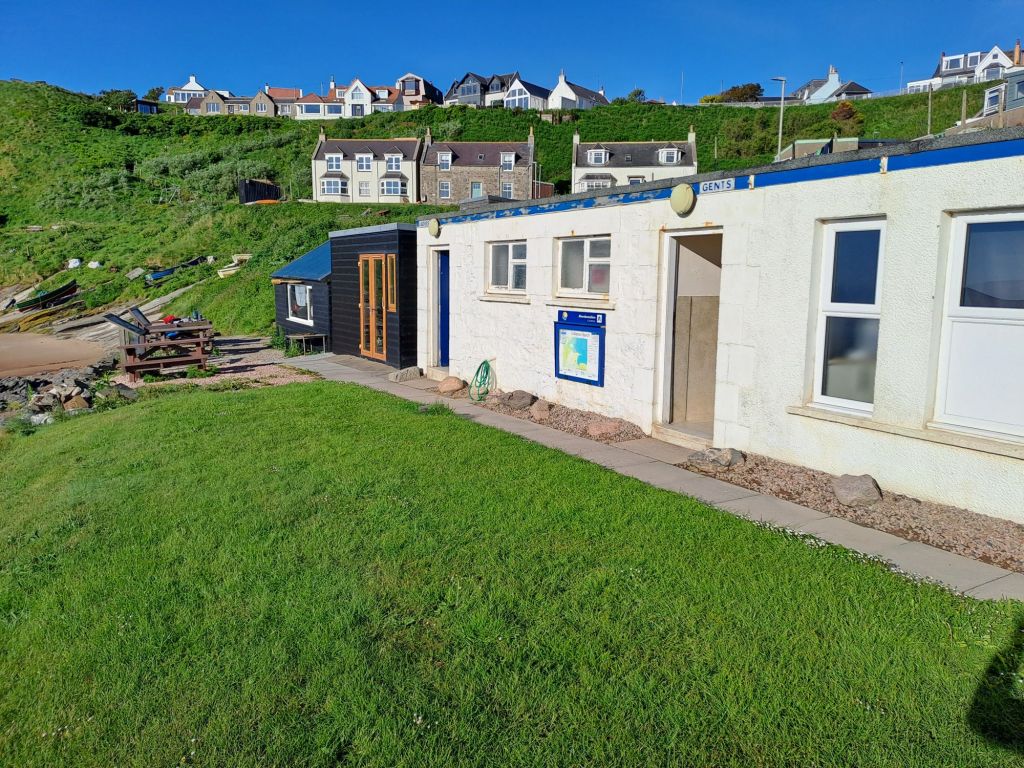
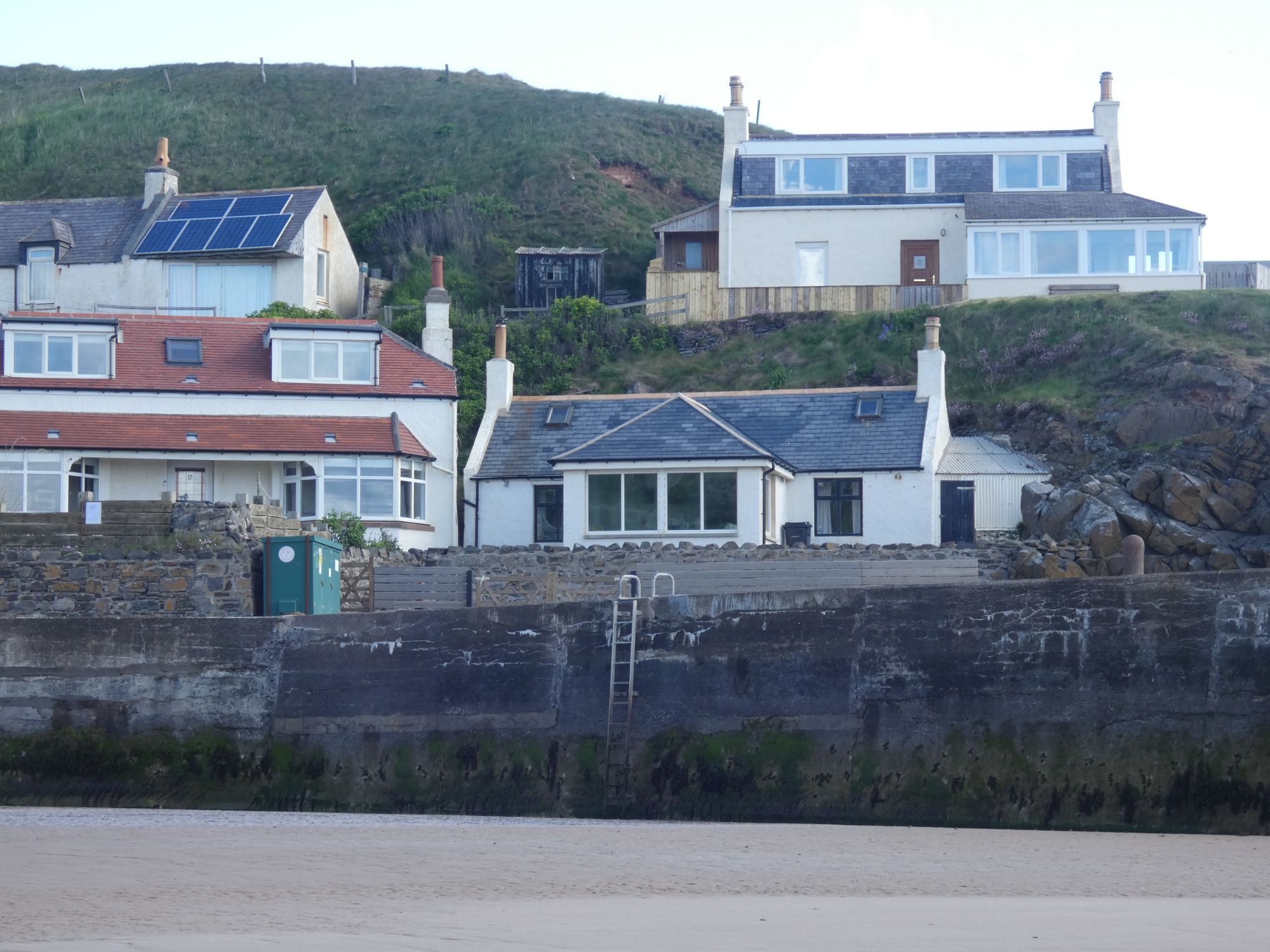
As I prepared my kayak on the beach, Craig, a long-time Collieston resident (but not yet “local”), and his little dog kept me company. He pointed out the house which T. E. Lawrence had rented by the sea and referred to as “the nearest hovel to the high-tide mark.” Apparently, he would ride his motorcycle in the same carefree manner here as he did when he was later fatally injured in an accident in Dorset.
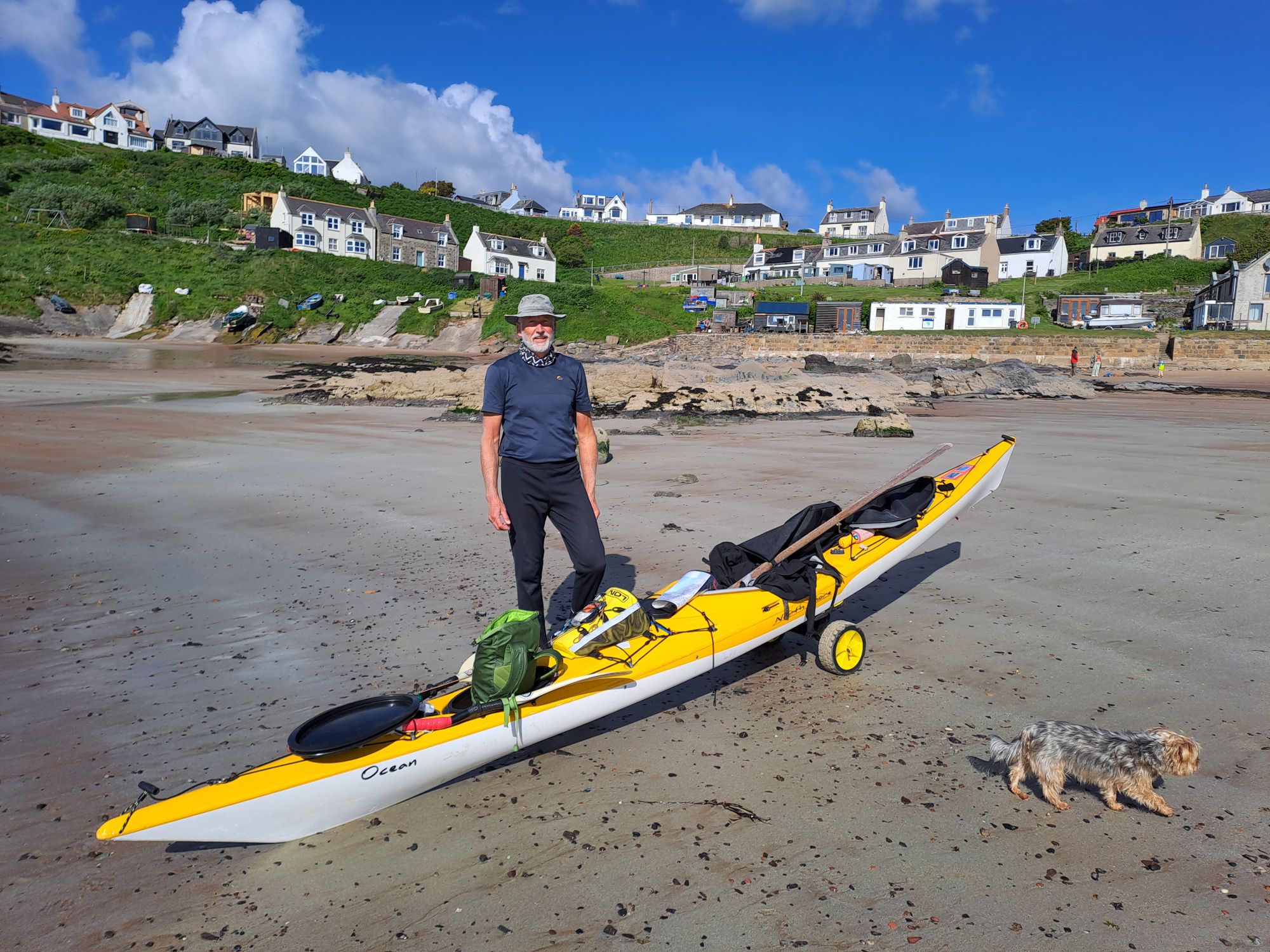
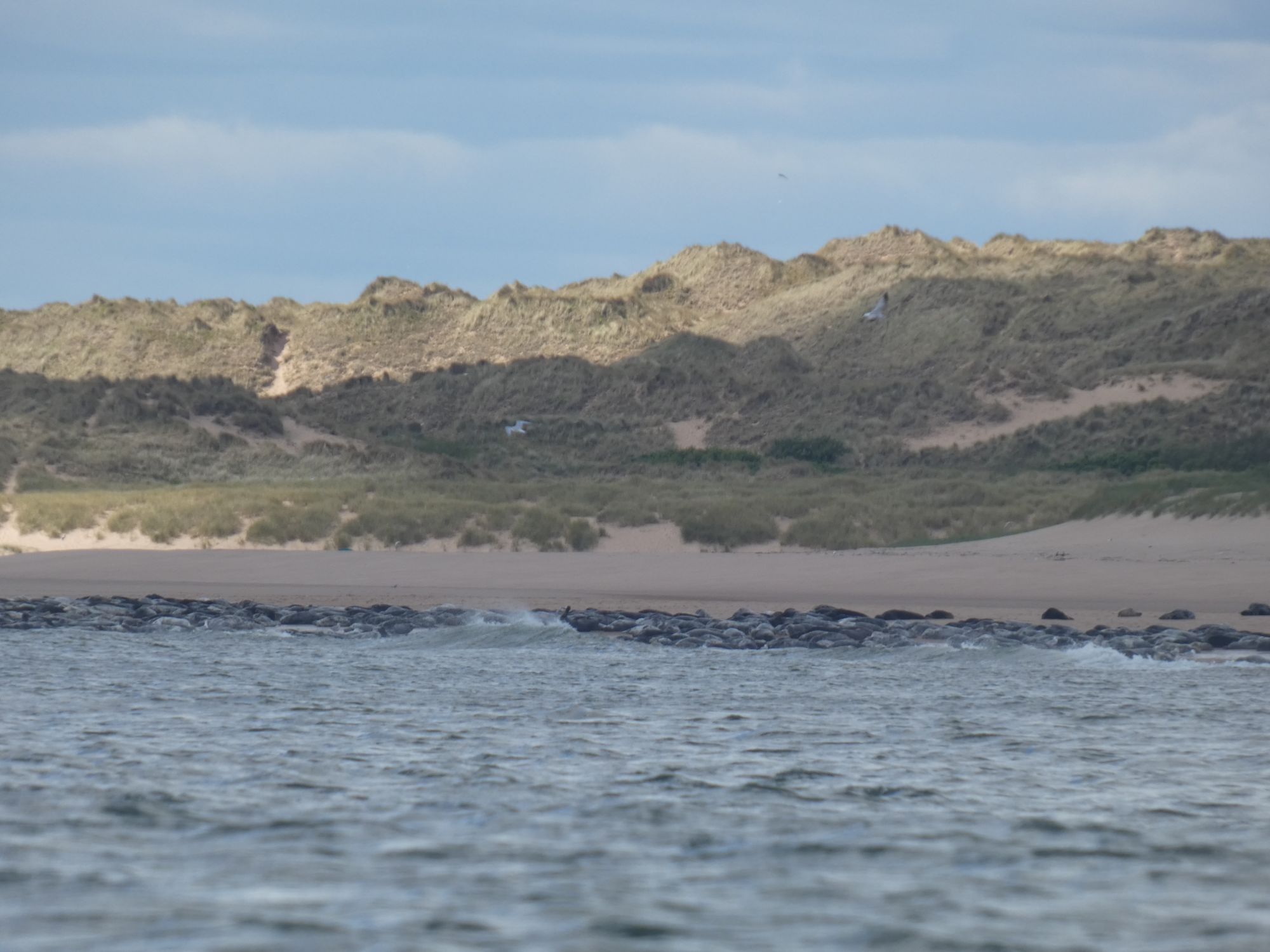
We discussed the likelihood of me spotting dolphin and orca on my journey south. He also advised me to keep a look out for scotter, a less frequently seen black seabird, and the seal colony at Newburgh Bar.
As I left the harbour, I remembered to call the Coastguard, and had phone in hand, rather than camera, when two dolphin swam slowly by.
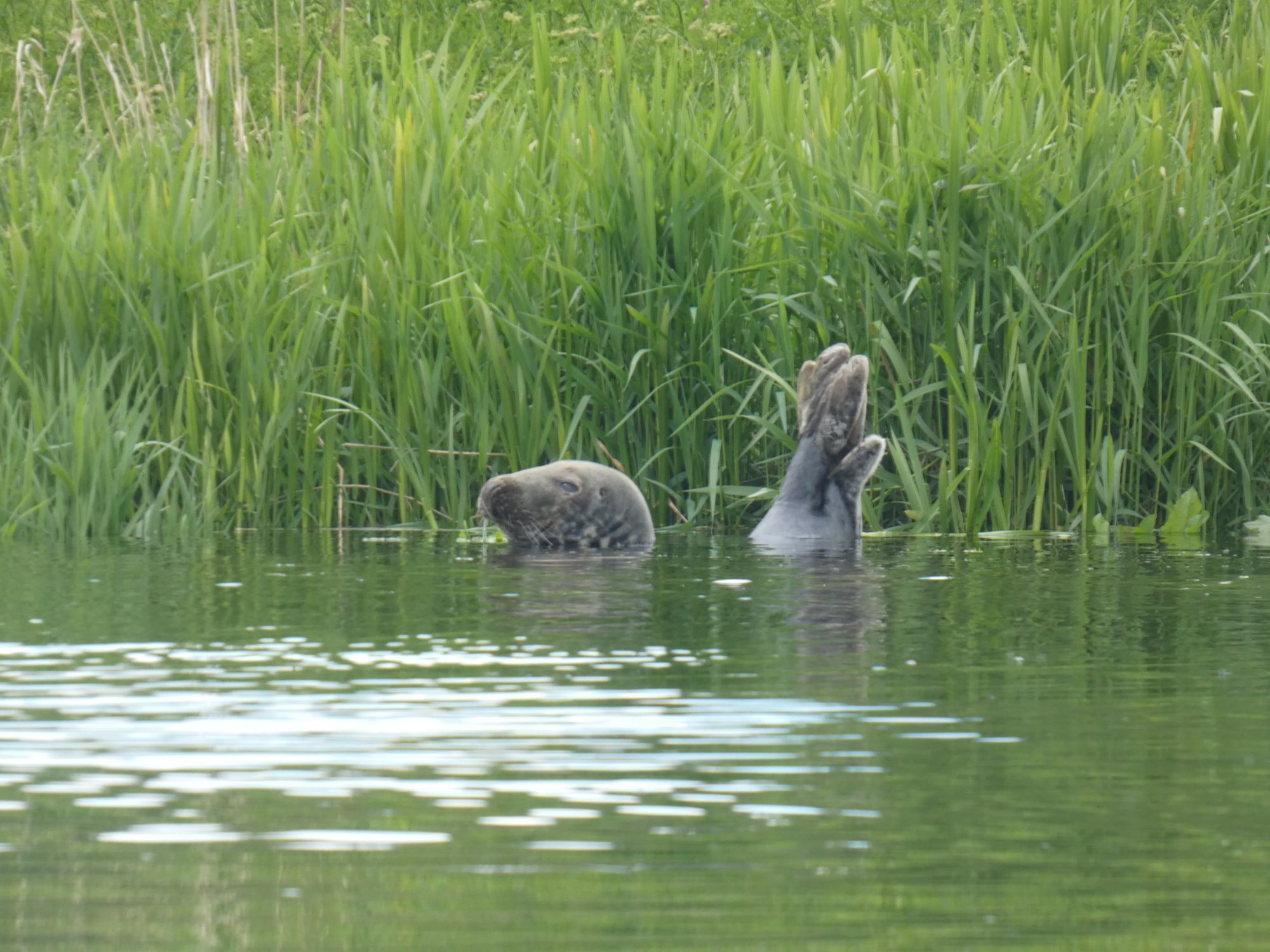
The next 20+ kilometres to Aberdeen was one long stretch of dunes and beach. I kept well clear of the seals at their expected place as it wouldn’t do to initiate a mass exodus. Seals are often curious about kayaks when in the water, but see them as a threat when resting ashore. More so than with other larger boats. I’m not sure if my paddle, one that takes inspiration from the Inuit original, would also add to their unease. Over the next few kilometres, I heard the frequent splashes of seals behind me as they approached close and then darted away underwater.
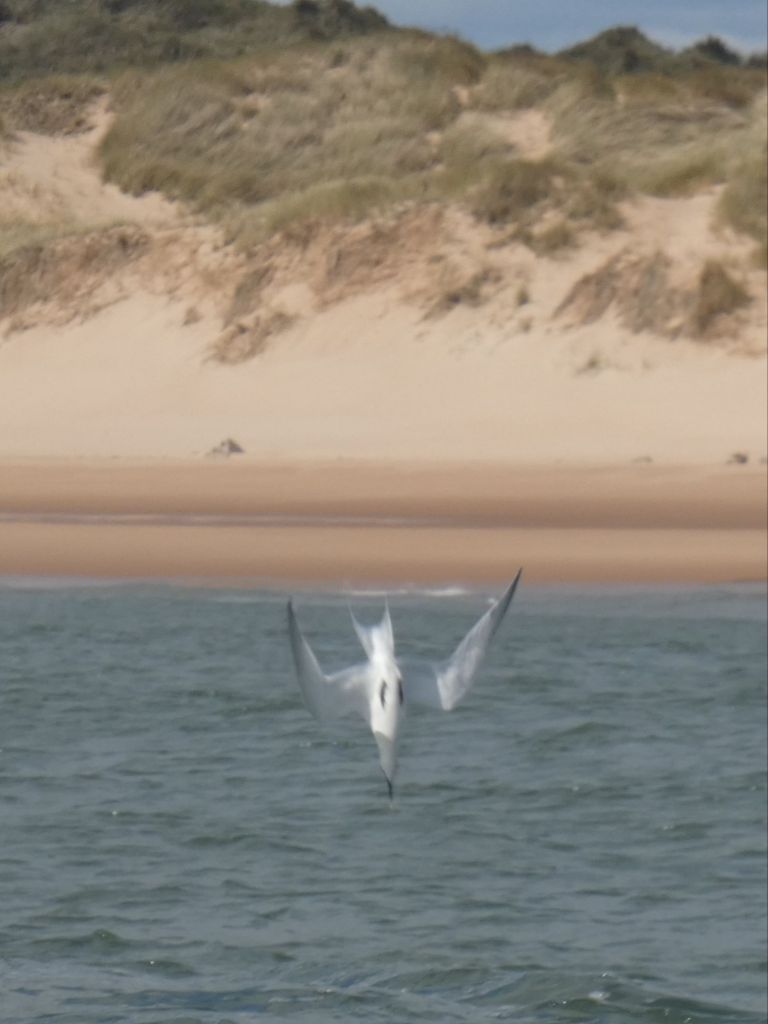
The feeding terns kept me entertained as I paddled south. Their aerobatic flight as they search for small fish just below the water surface culminates in a sudden dive and splash. I know better than to attempt to capture the action with my camera, but eventually, they enticed me into giving it a go.
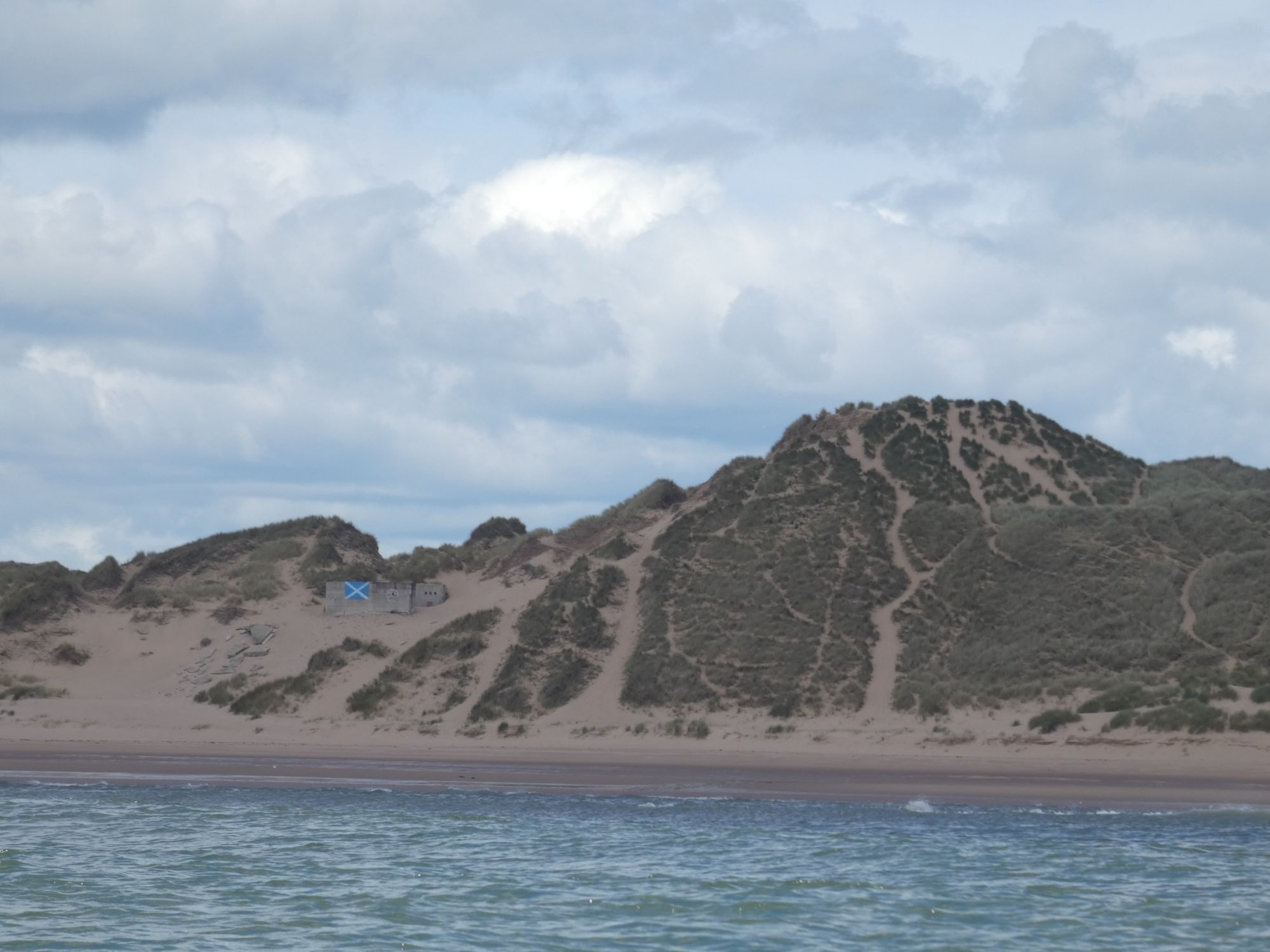
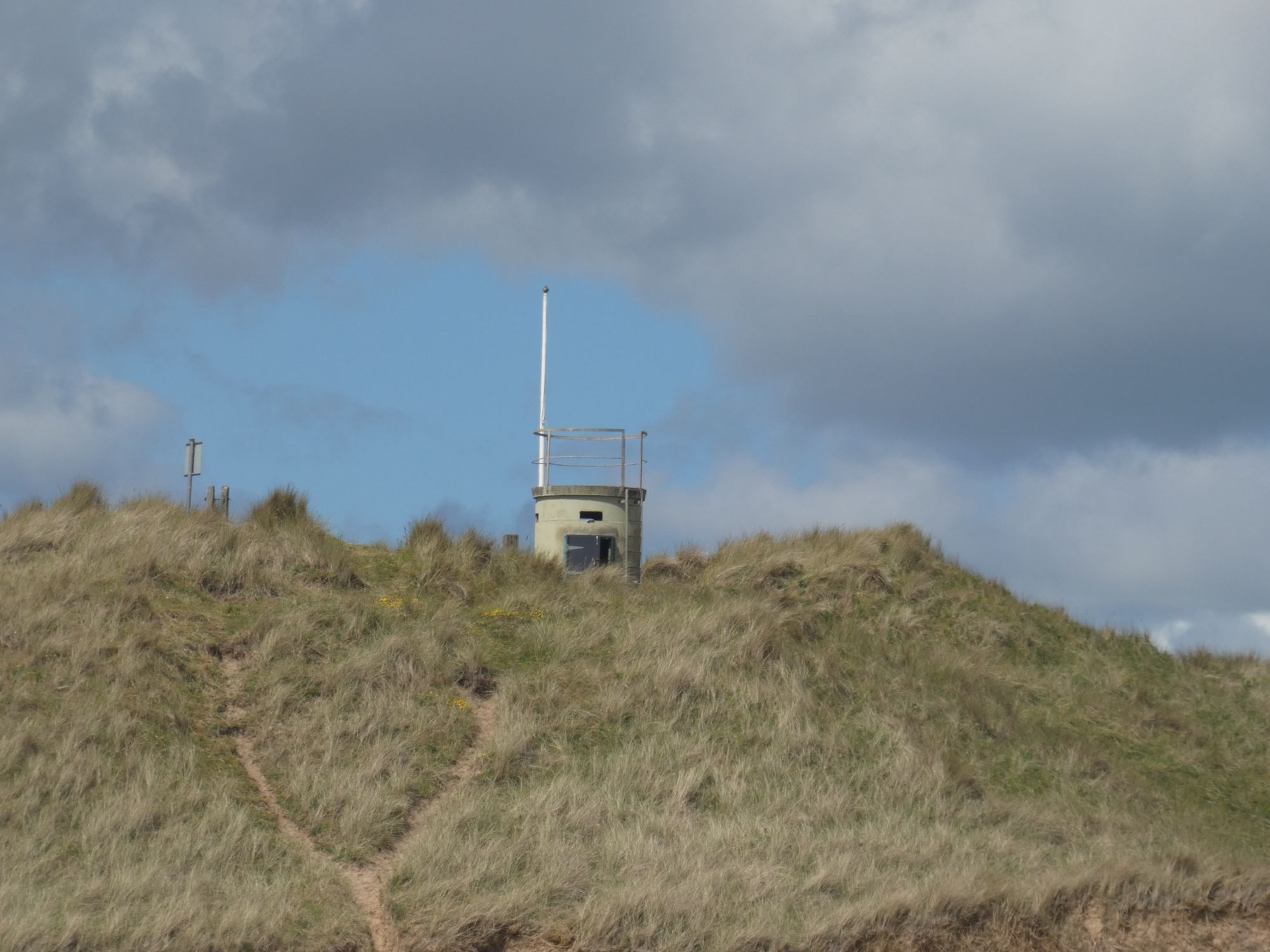
There was only infrequent human activity on the beach, but I kept an eye out for things of interest. Many WWII era concrete bunkers and buildings litter the beaches of Scotland’s east coast, and here was no exception. They were presumably first erected on the tops of the dunes but now often lie at strange angles on the beach itself.

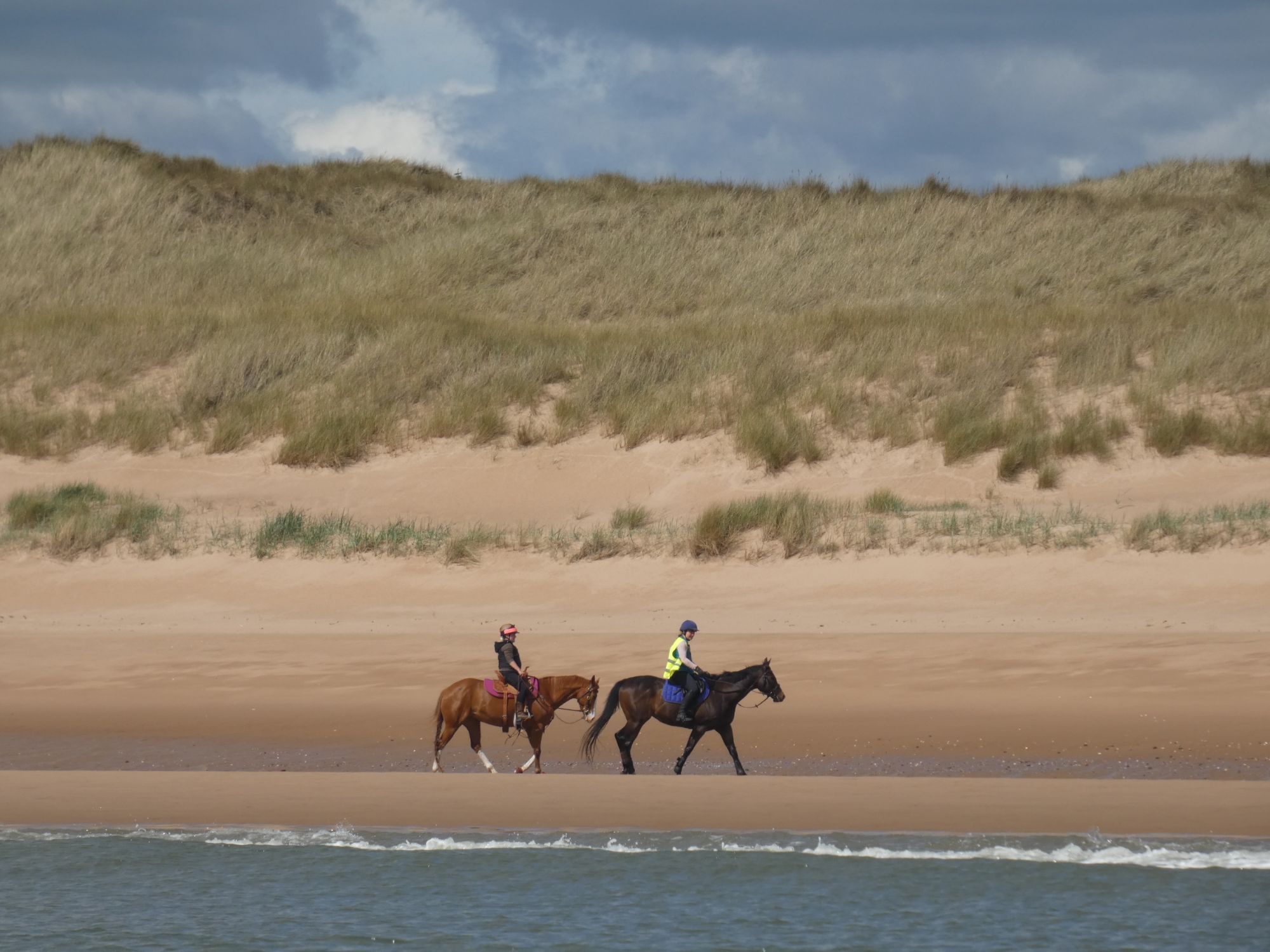
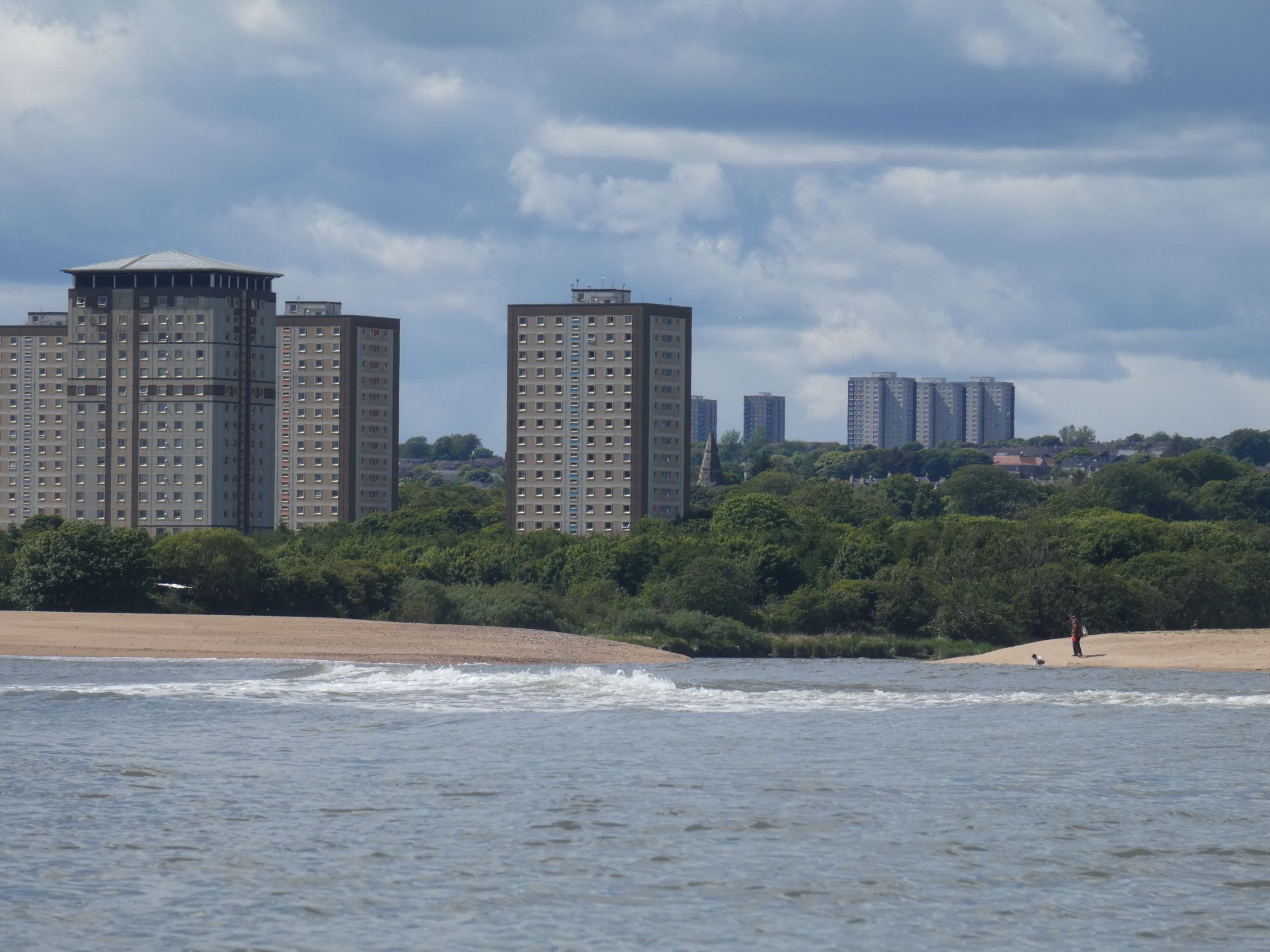
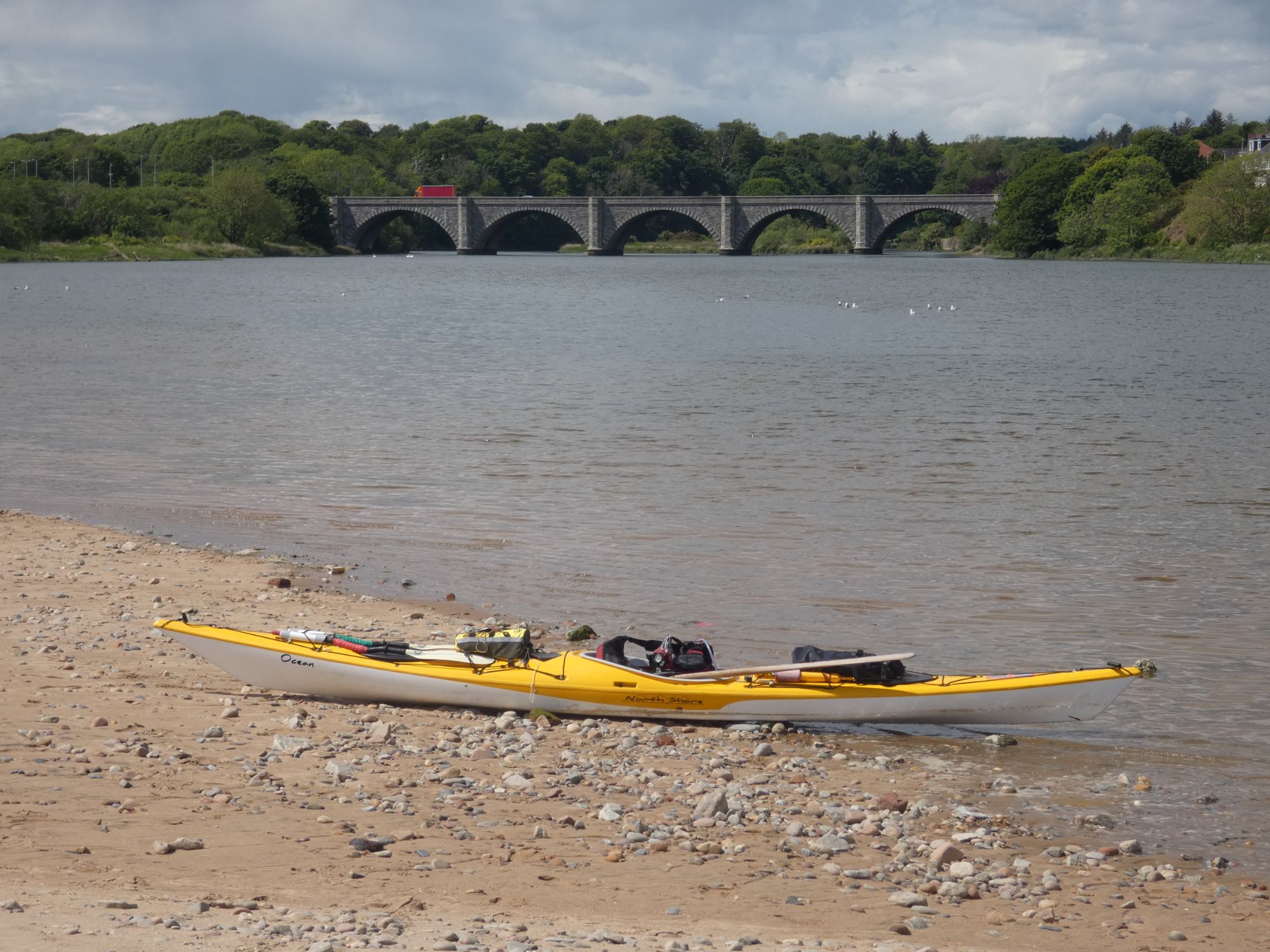
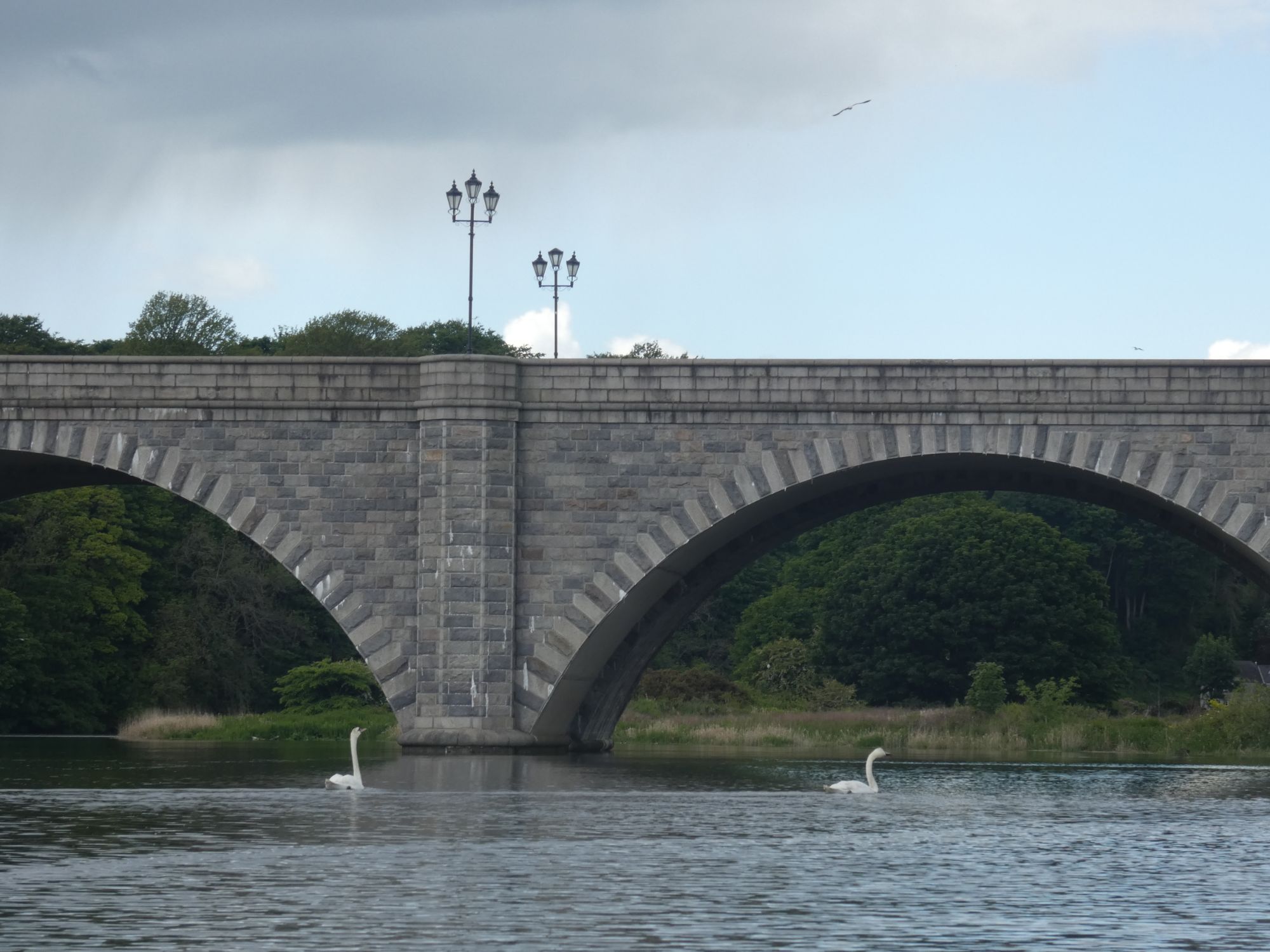
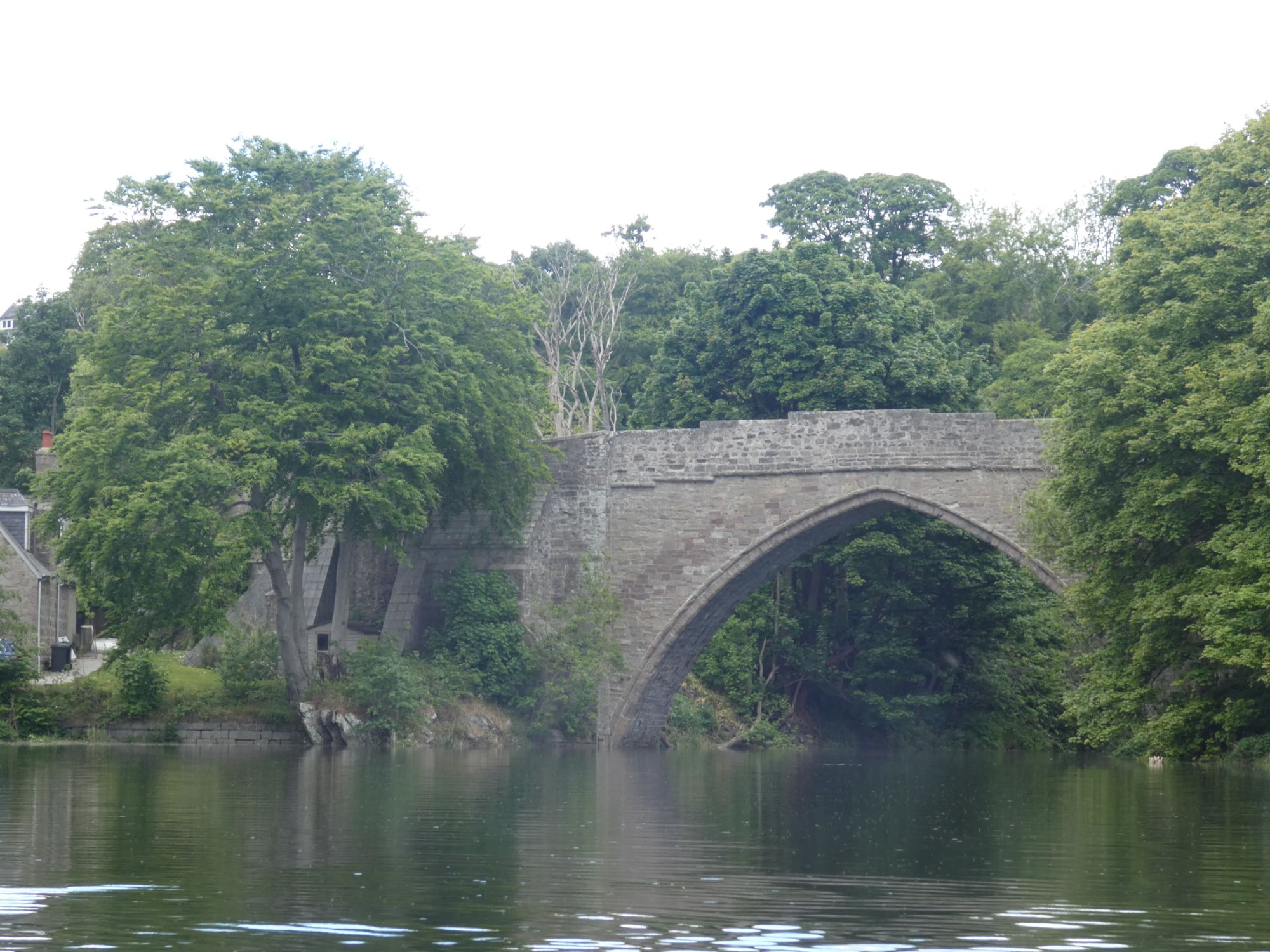
As there was a small dumping surf all along this coast, I took the opportunity to enter the mouth of the river Don and seek a surf free exit for my lunch break. A man out on his regular dog walk persuaded me that a short detour further up the river to Scotland’s oldest bridge was well worth the effort. It was.
I had phoned Aberdeen VTS yesterday to check on protocol for kayaks passing the harbour. In general, yachts and other small vessels are supposed to stay clear of a 2 nautical mile zone around the harbour entrance, but for kayaks, this would be dangerous and impractical. They were very helpful and just requested that I contact them on VHF ch12 as I approached close to the harbour entrance.
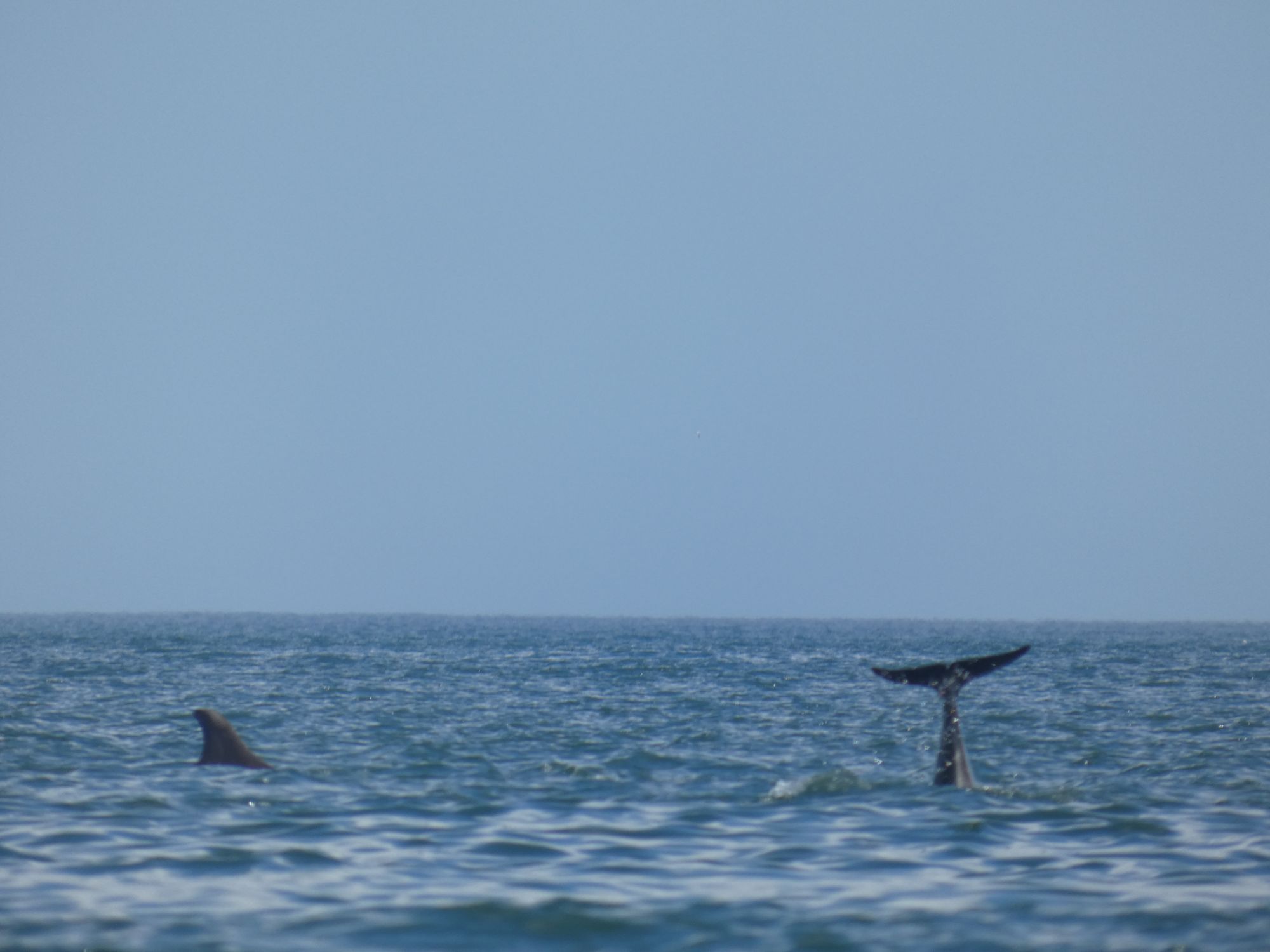
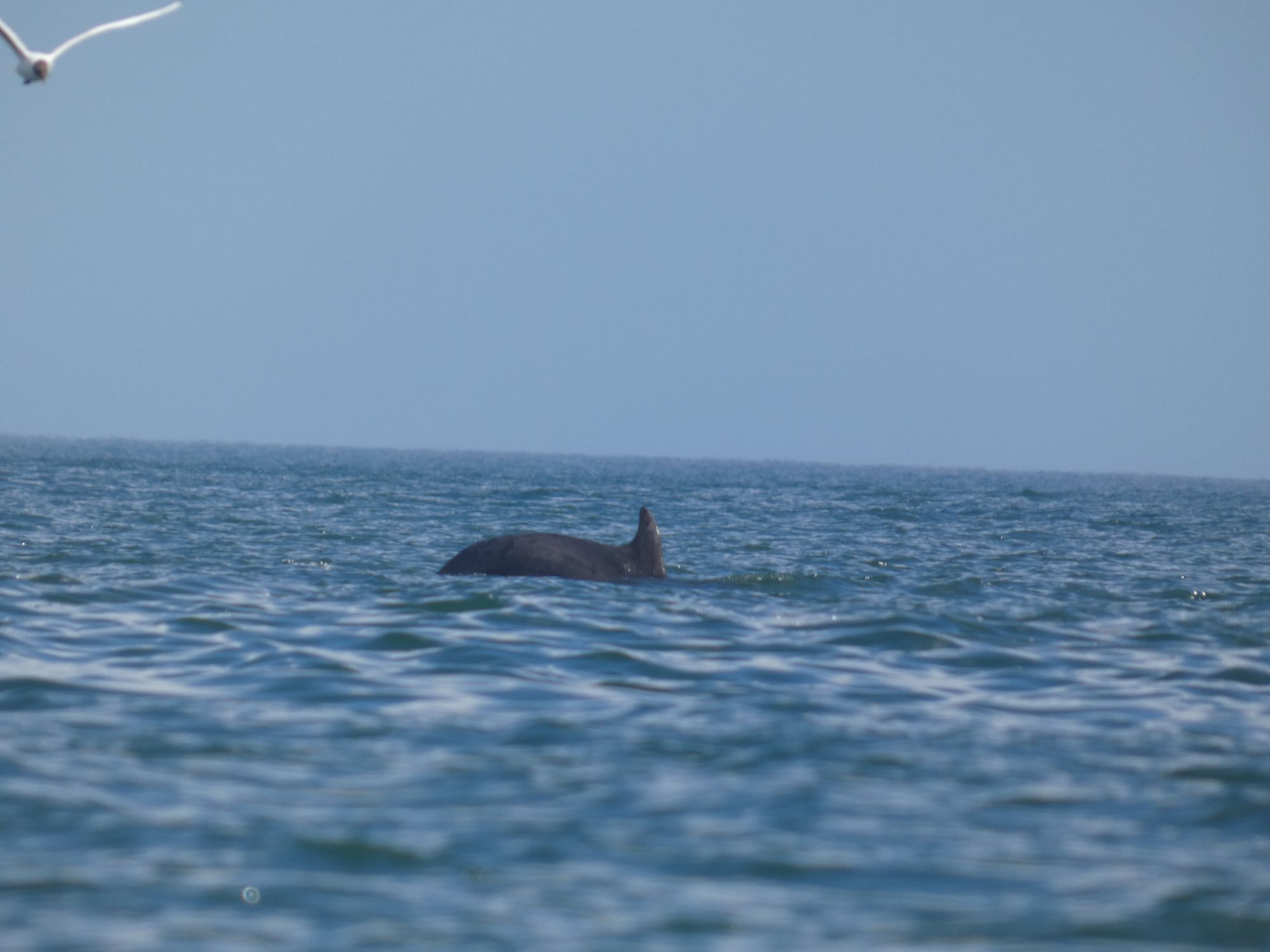
On my approach, I was aware that a vessel was coming out and that another was preparing for a tug assisted entry soon after, so my window of opportunity between the two was short. It meant that I couldn’t hang around long to watch the small pod of dolphin next to the harbour entrance.
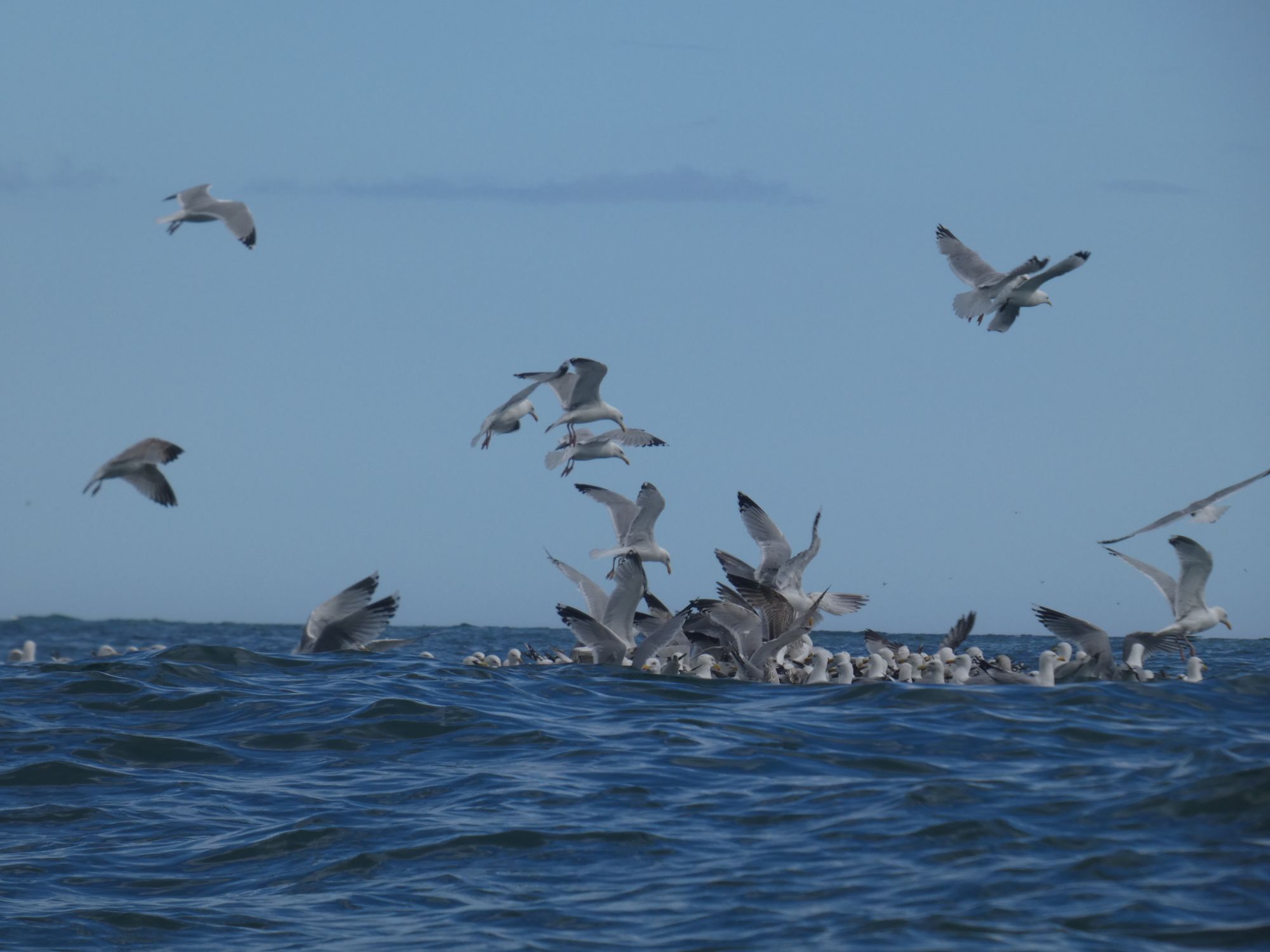
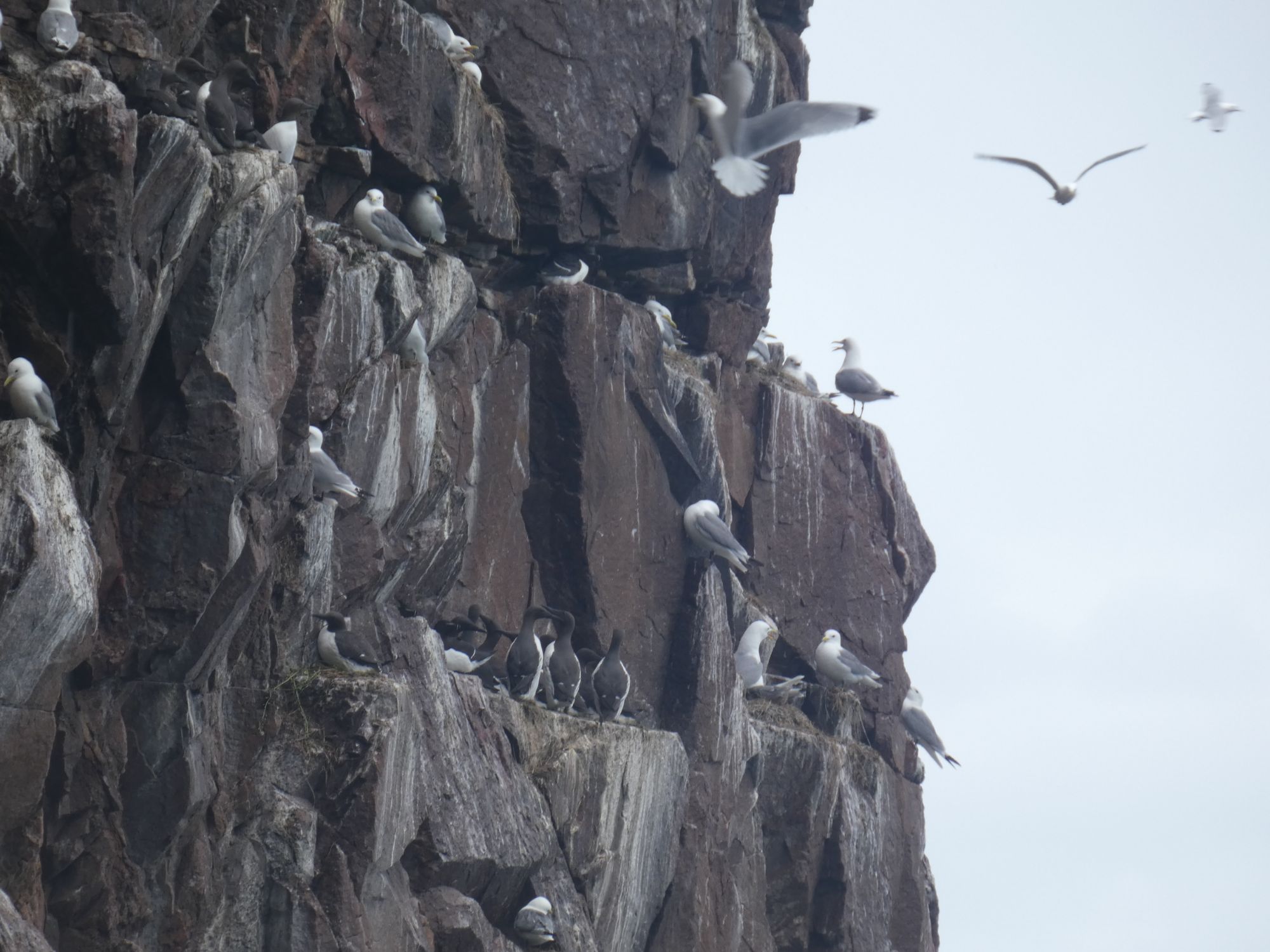
After the harbour, Girdle Ness, and the Nigg Bay construction facility, it was just a short paddle down to my destination at Cove Bay Harbour. The bay to the north of the harbour was full of birds and caves. I took a short time to explore but was ready to be off the water by this time.

I set up camp and then went in search of sustenance. I found it close by at the Cove Bay Hotel.


 One Man And His Boat
Leave a reply to Ritchie Cancel reply