- Whitehills to Rosehearty
- 34 kms
Since leaving the Caledonian Canal, I have frequently referred to the excellent East Coast of Scotland: Sailing Directions by Andy Carnduff. It was quite opportune that Rob, one of my kayaking partners from the Ireland trip, had bumped into the author in Aberdour in Fife at the end of last year when I was just starting to plan for this trip. I instantly snapped up the offer of a reduced price copy.
From my last four days’ experiences, I can testify to the accuracy of one of his early paragraphs in the introduction to this part of the coast:
“When northeasterly winds blow, the fetch from Norway allows substantial swell to rise. This is fine while in the open Firth but approaching the shore the swell converts to what can be frightening breakers. To minimise any effect of the swell within the harbours, most entrances are parallel to the shore, allowing the swell to sweep past, but the boat entering must temporarily lay beam on to the sea and suffer a side thrust of surf, just at the time when precision of course between stone harbour walls is critical. The first couple of such experiences lend urgency to quick learning! And there is always the consideration that another vessel may be trying to exit the harbour into the same wave.”
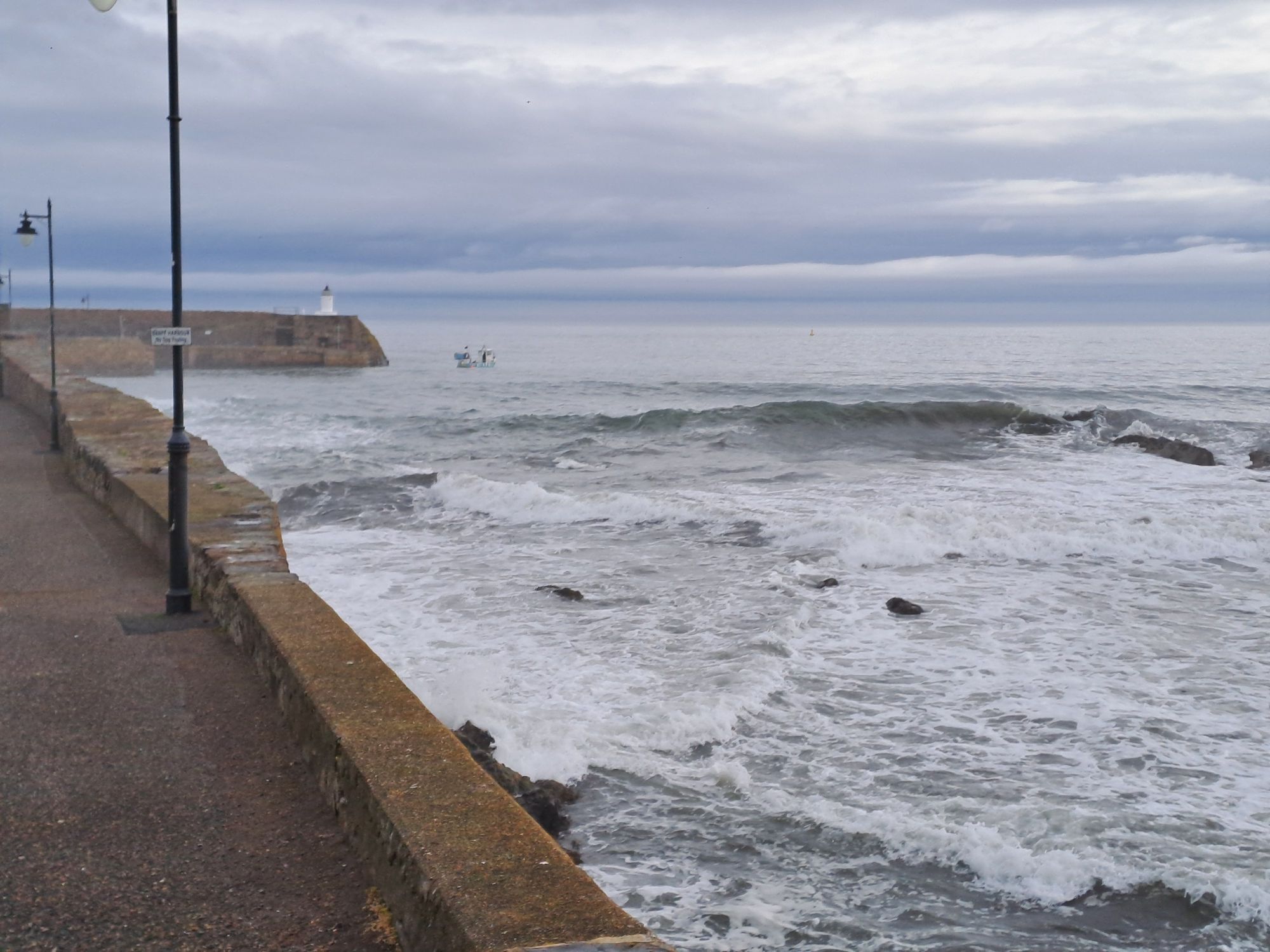
I was happy that the swell was now much reduced and that an entry into Banff Harbour and a cooked breakfast was on the cards.
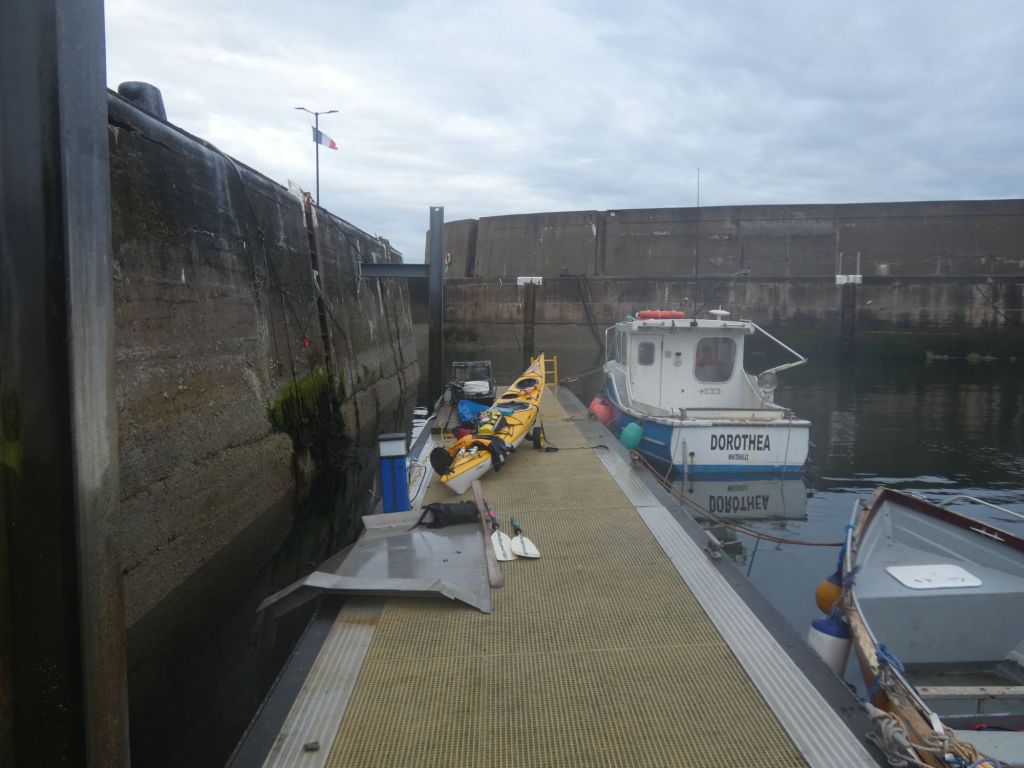
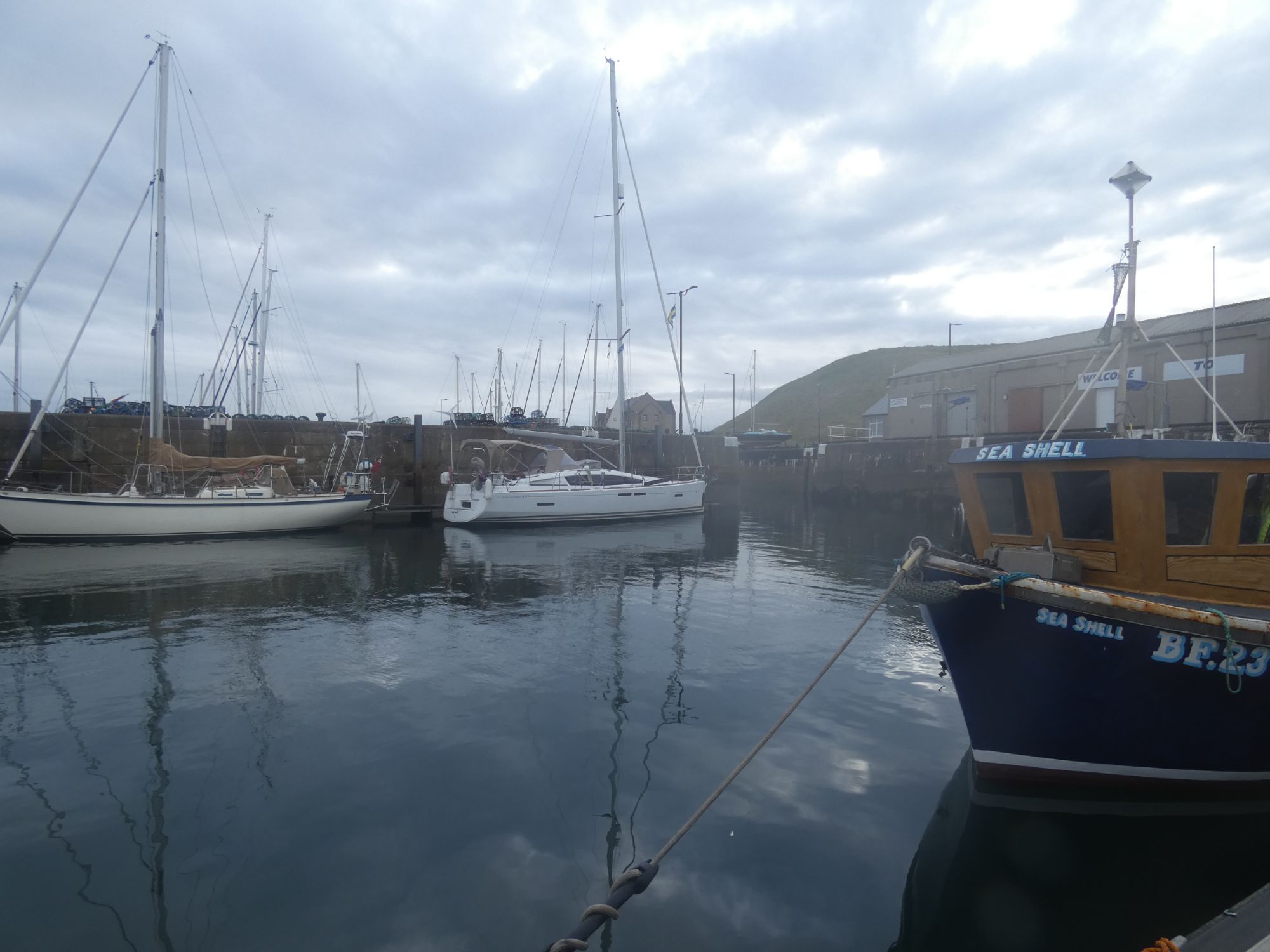
I packed up my Whitehills rough camp early and quickly and made the short paddle to Banff. At first, it felt like I was paddling in treacle, but I soon realised that it was just the way I was paddling. Yesterday’s paddle in clapotis had given my body a full core workout, and it took a while for my back to relax and body rotation to resume.
I pulled into Banff Harbour around 7.30, just as the marina toilets were being opened by a woman who assured me I’d have no problem getting a cooked breakfast here, though I may have to wait till 9.
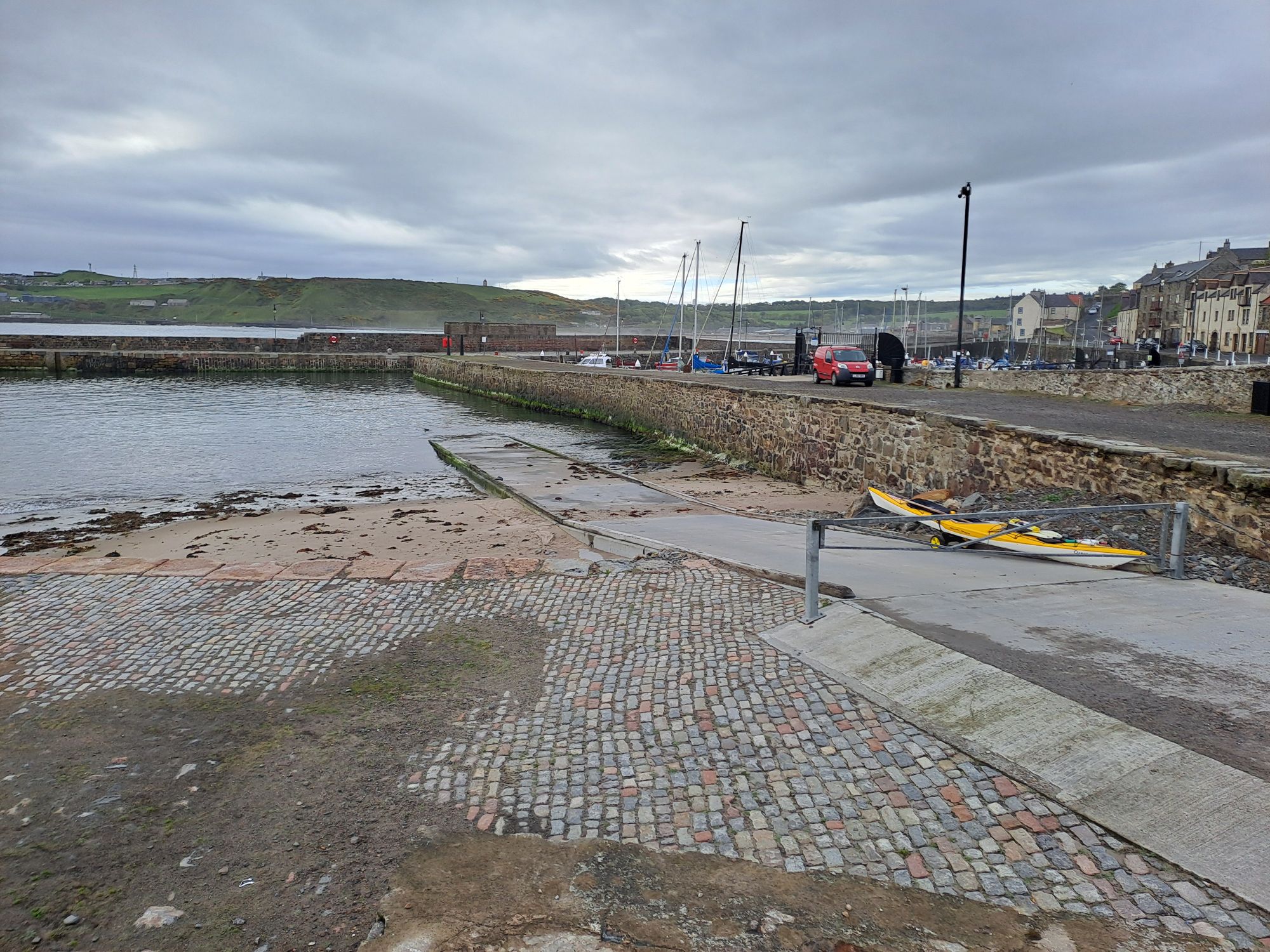
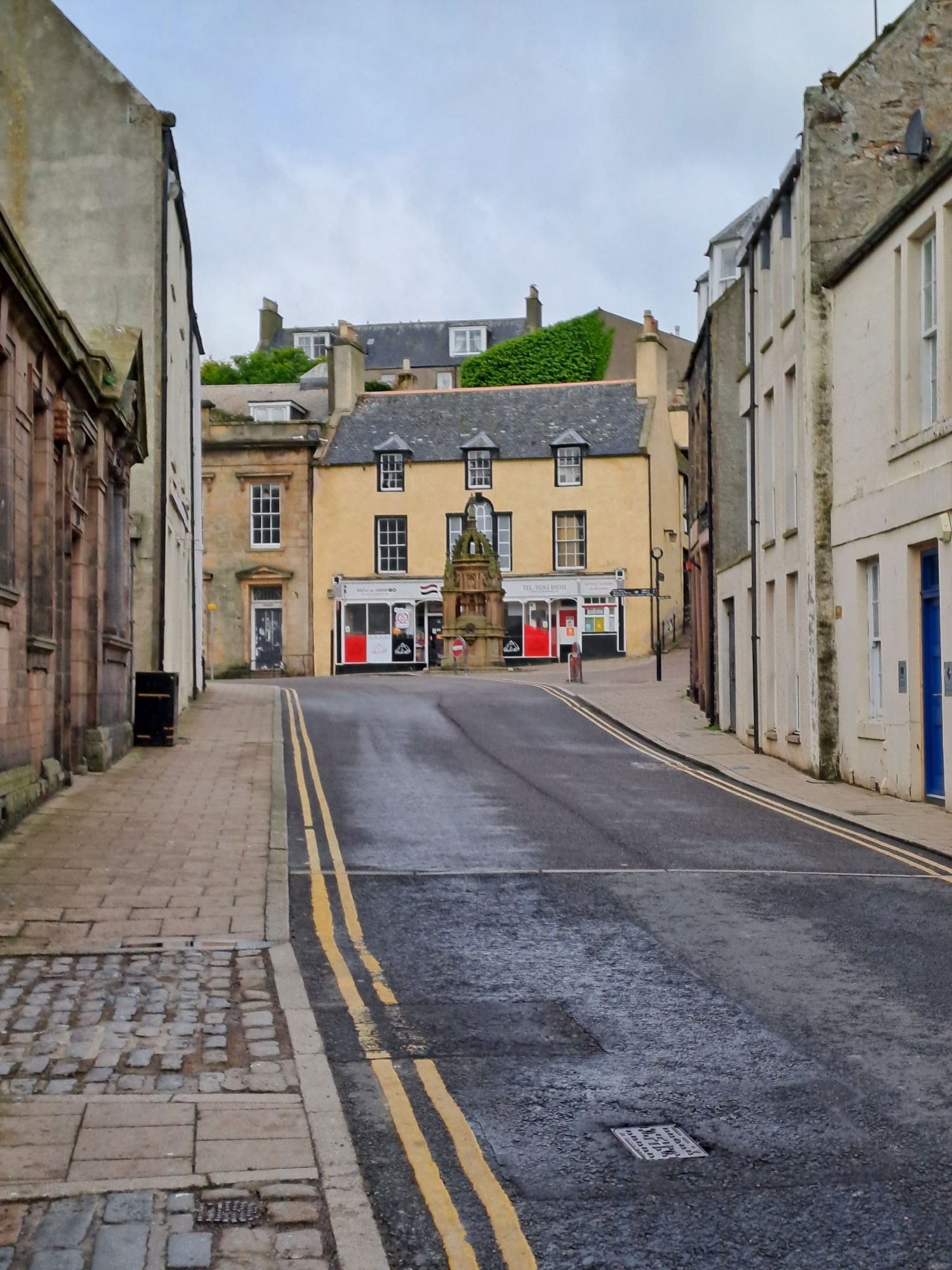
After making sure my boat was well away from the rising tide, I walked into Banff and found an open bakery where a cheerful woman served me a full Scottish breakfast and a large tea that I could eat in the comfort of a small table by the window. I also bought some local butteries and demerara shortbread to eat as snacks later. Life was good again!
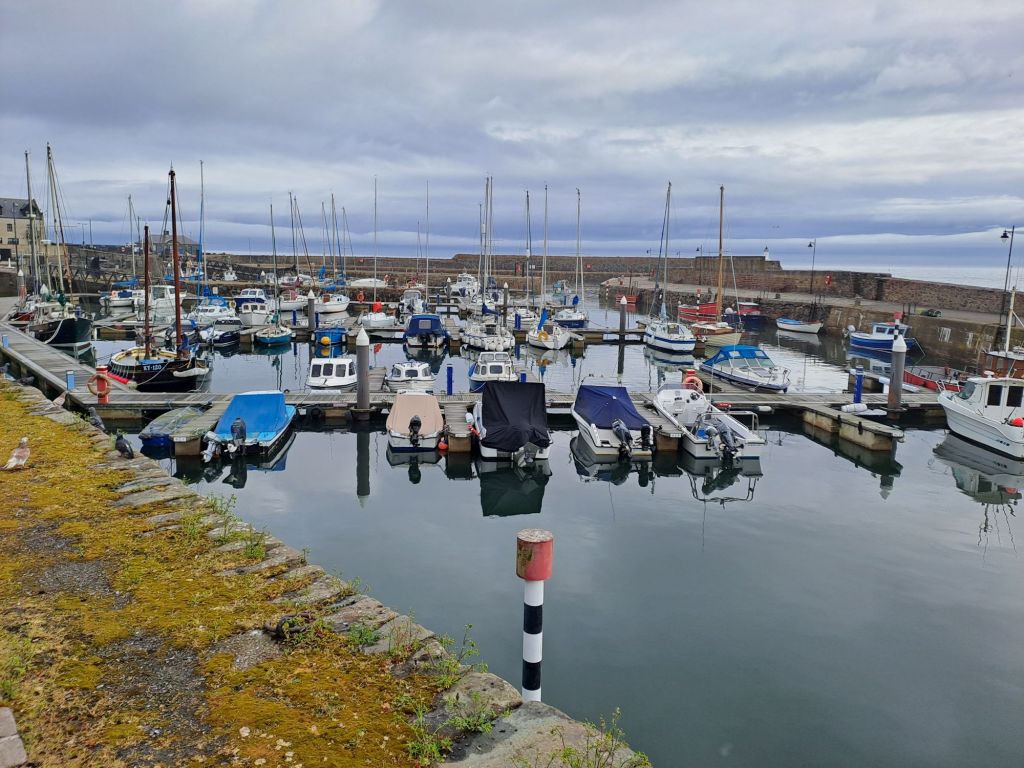
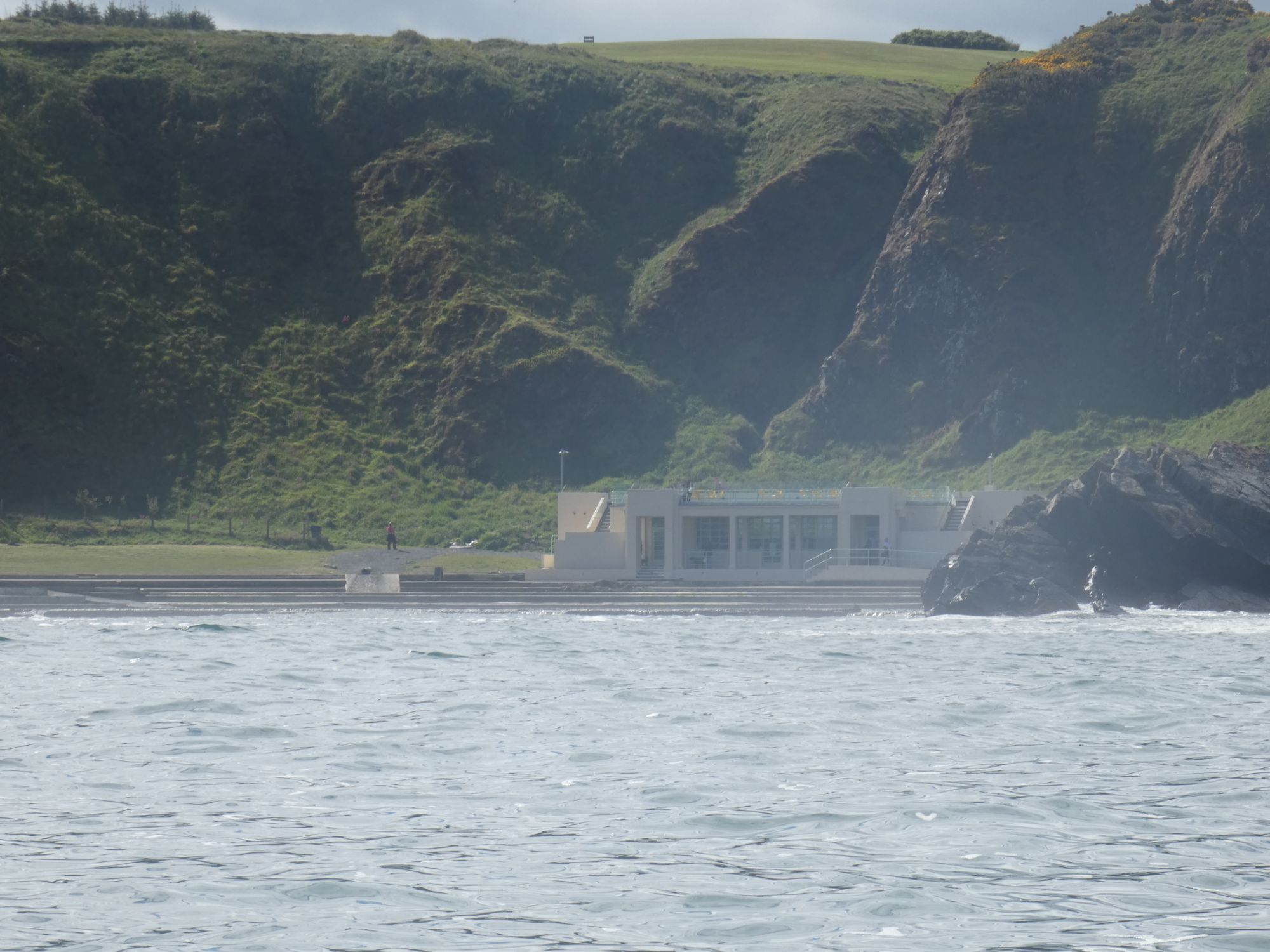
I was soon on the water again. Paddling east past Macduff and an unusual building, which I learned soon after, via an unprompted message from David, was a disused swimming pool.
The coast from here on to my finishing point in Rosehearty was spectacular.
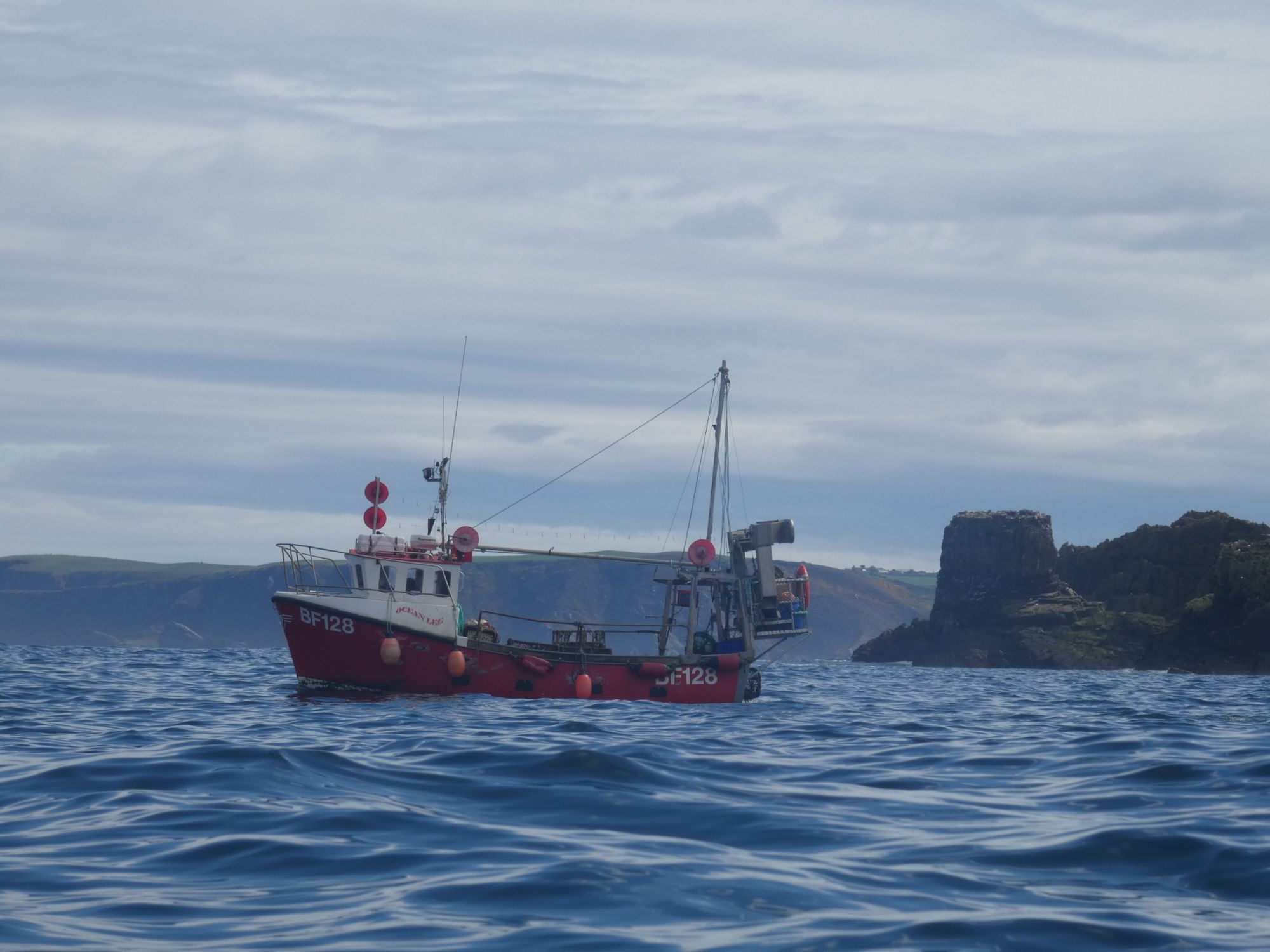

I was at first disappointed by the lack of seabirds on the early cliffs. It seems to me that the bird flu has impacted some species more than others. The guillemot and razorbill nesting sites looked sparsely populated, and the usual noisy bustle for space was almost silent. Few fulmars were flying about, but their numbers did pick up when I got further on past Pennan. The kittiwake colonies, however, appeared to be doing quite well.
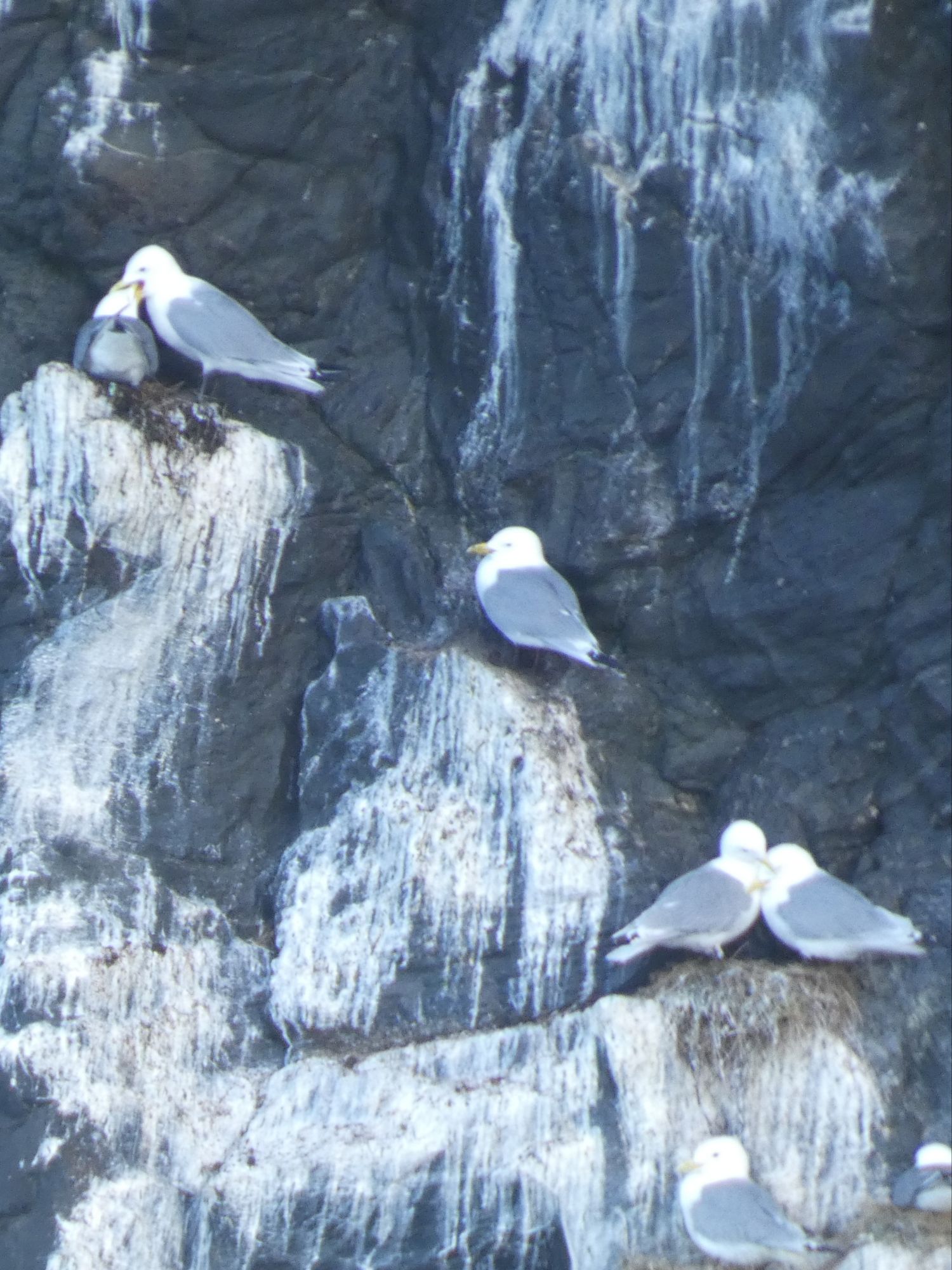
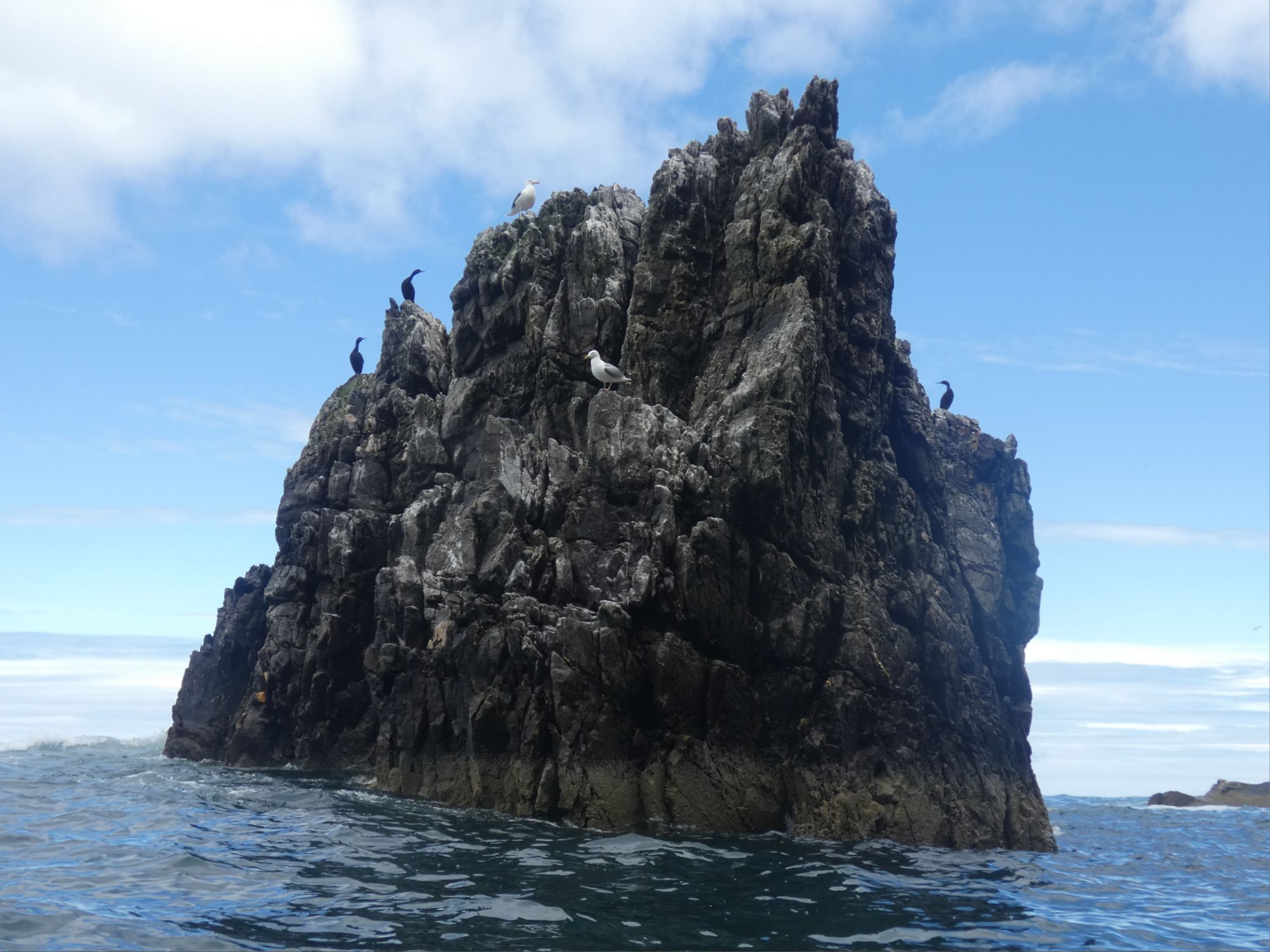
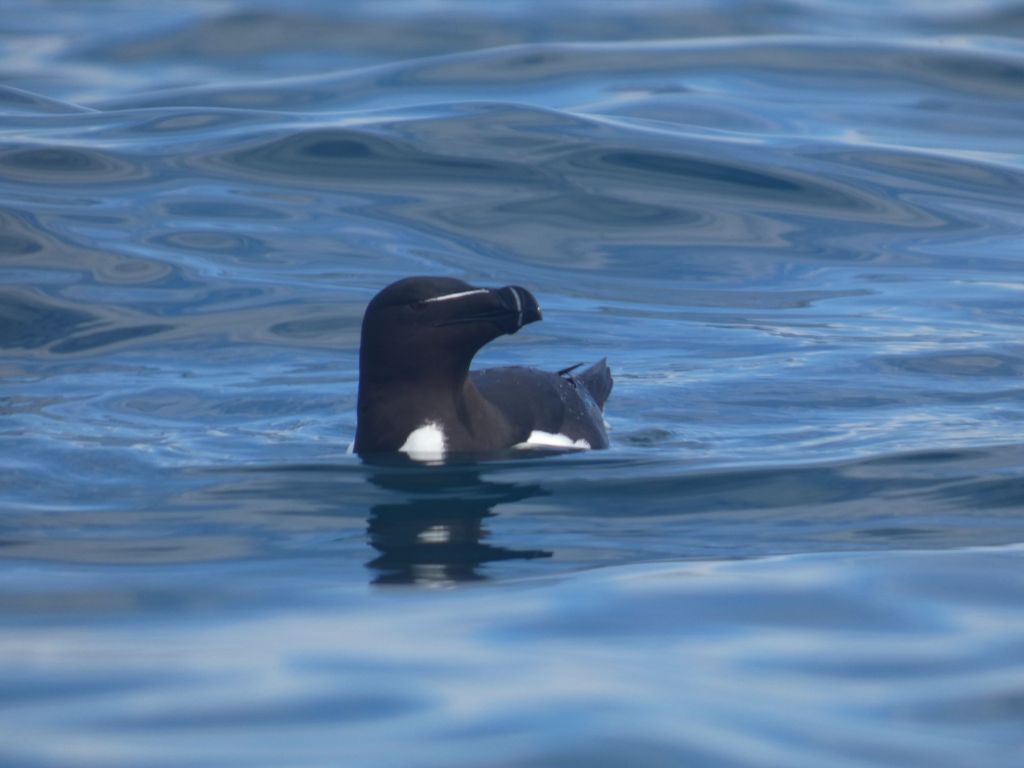
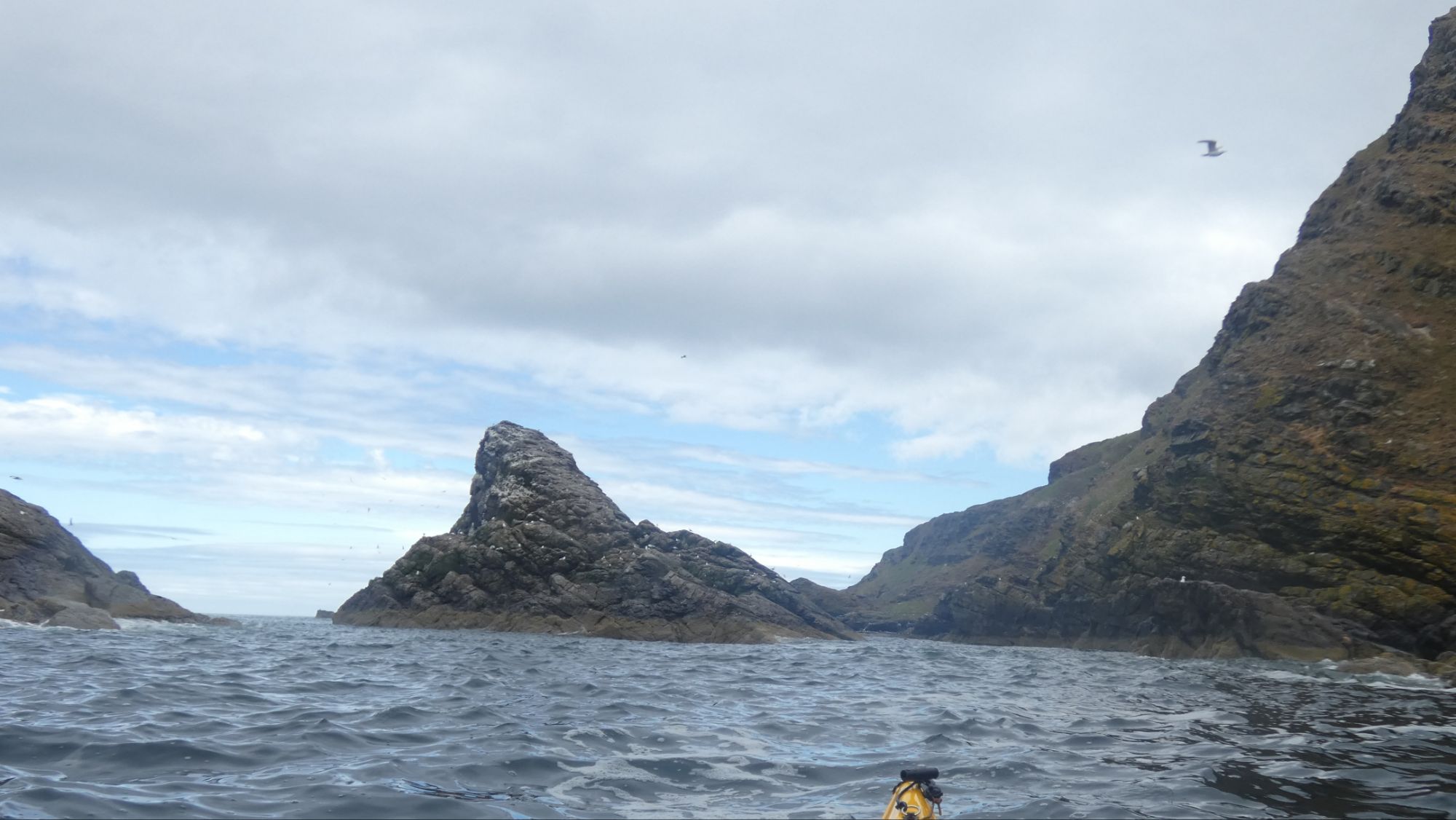
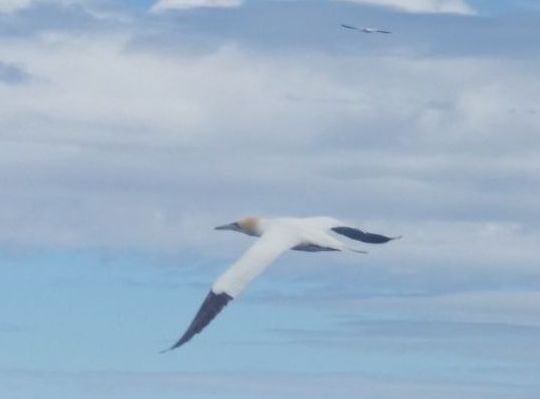
When I reached Troup Head, all changed. I spent 15 minutes just drifting in my kayak, watching the birds swirling overhead. A huge number of gannets nest here, and for some reason, I wasn’t aware of it until I arrived today. I’ve since learnt that it is a relatively recent colony with the first birds only arriving in 1988. The estimate from 2014 of 6,500 breeding pairs seems to be well short of the numbers there now.
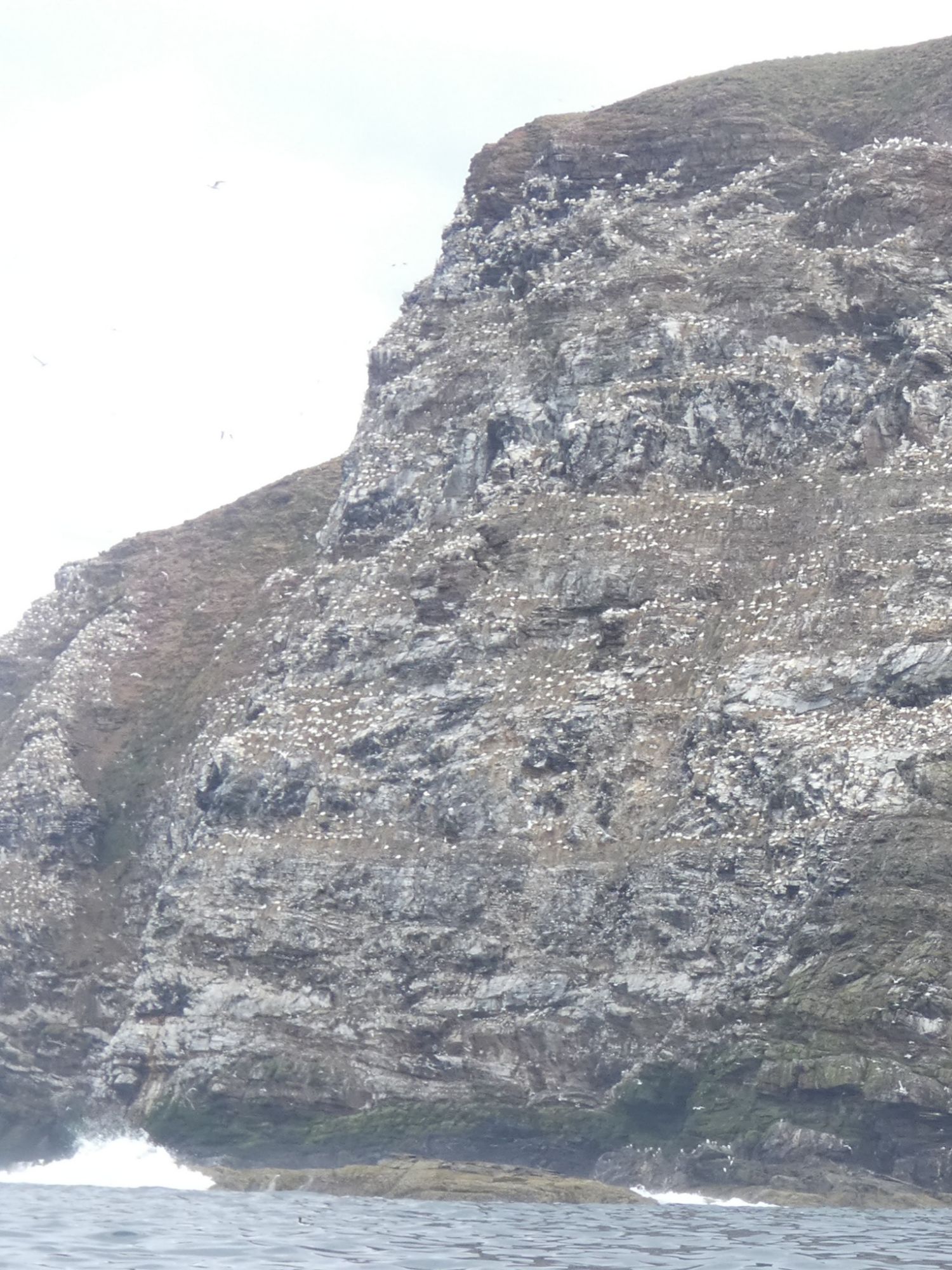
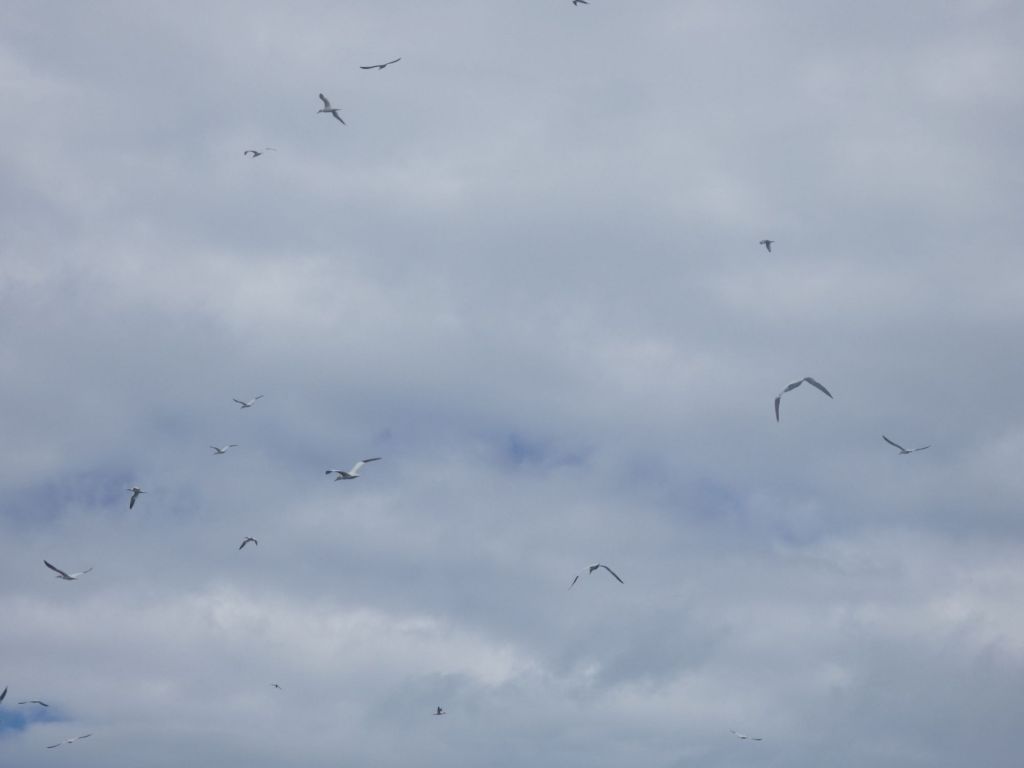
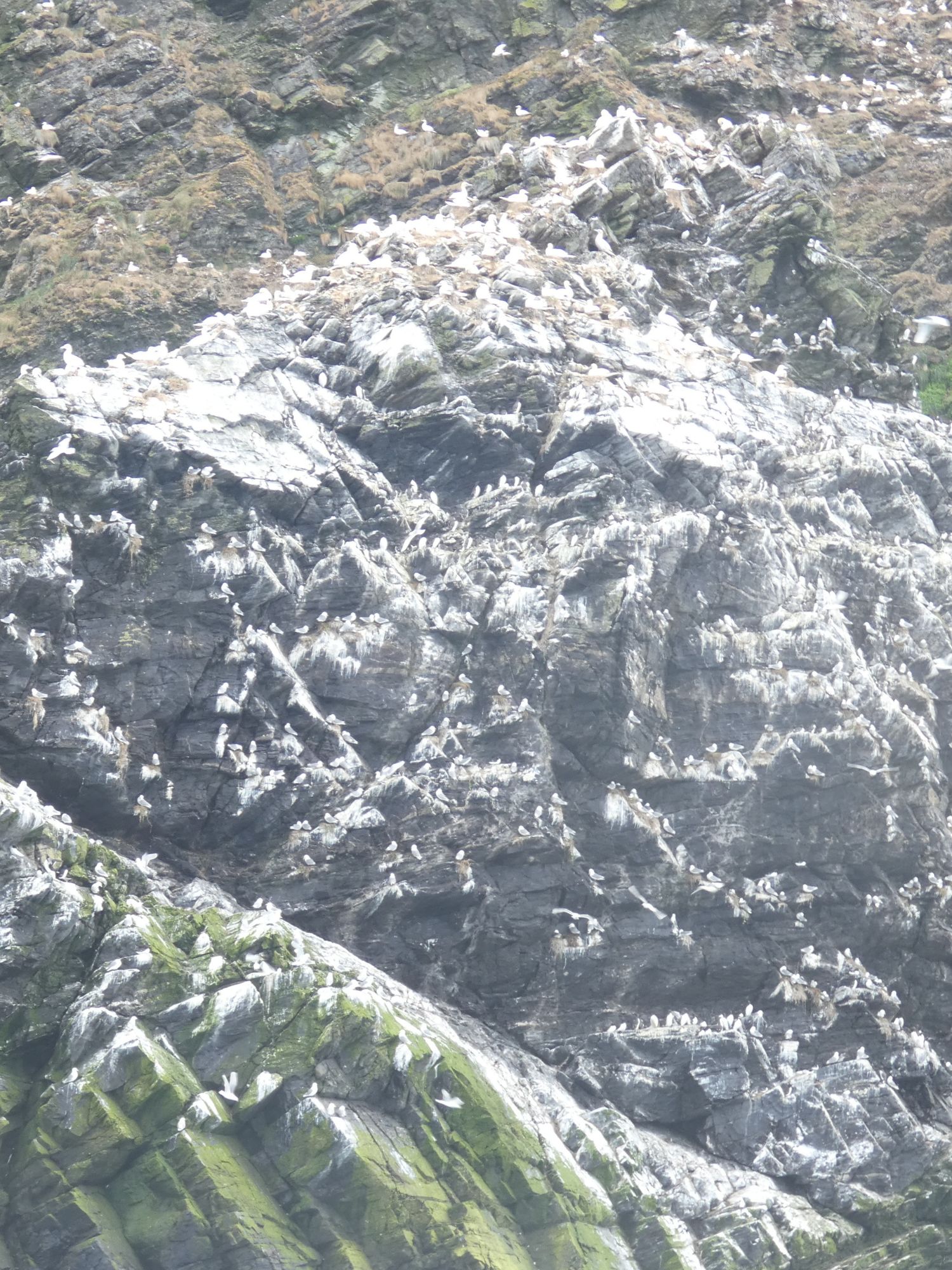
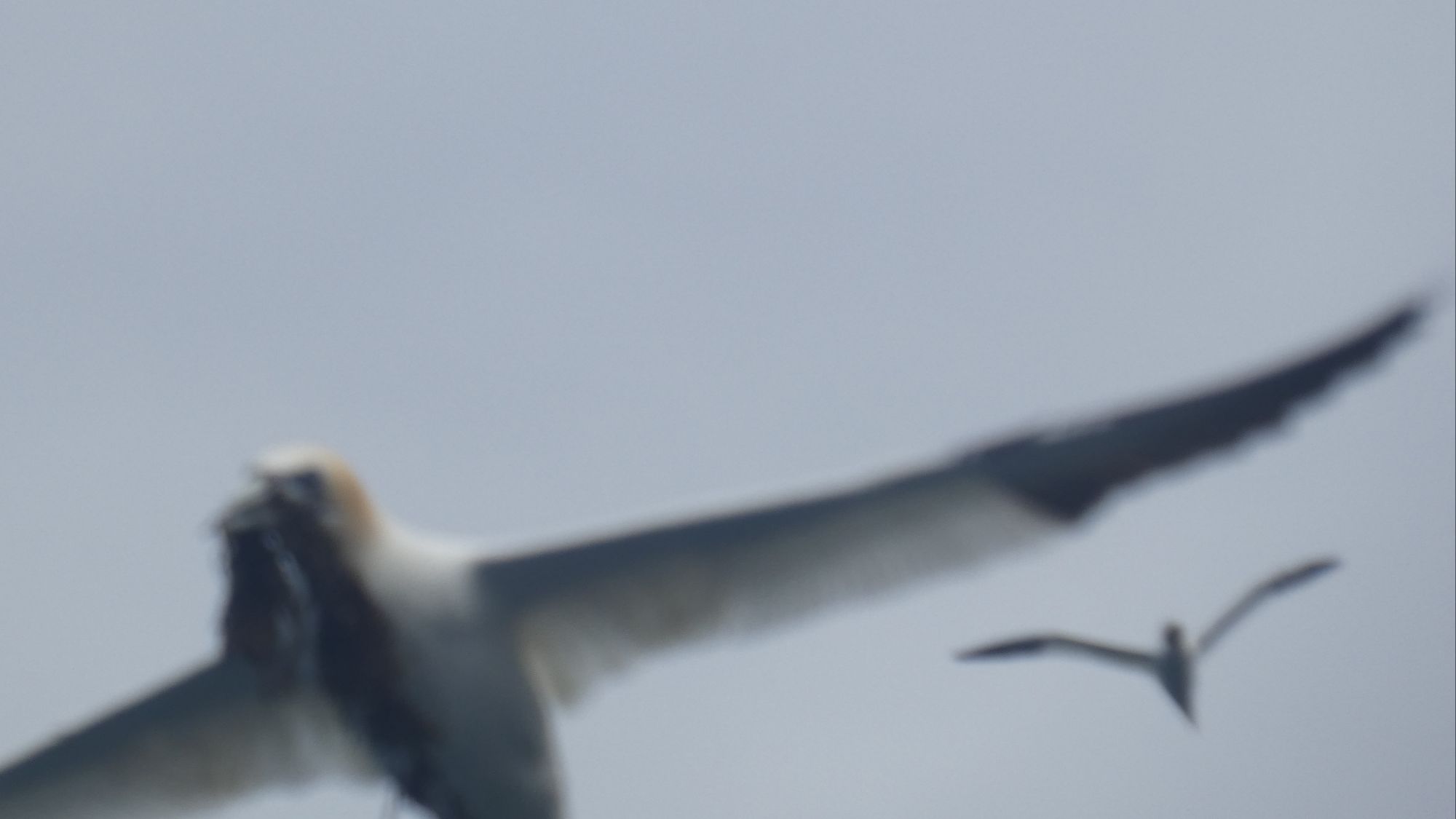
Many gannets appeared to be carrying seaweed as nesting material, but I couldn’t work out why some were heading out to sea with it. Clearing old nest material? Going out to give it a wash? Who knows.
I reluctantly resumed my journey as I still needed lunch, and I had a fair way to go to get to Rosehearty.
I stopped at the small harbour in Pennan. A place I’d been a couple of times before, and the filming location for the phone box in Local Hero.
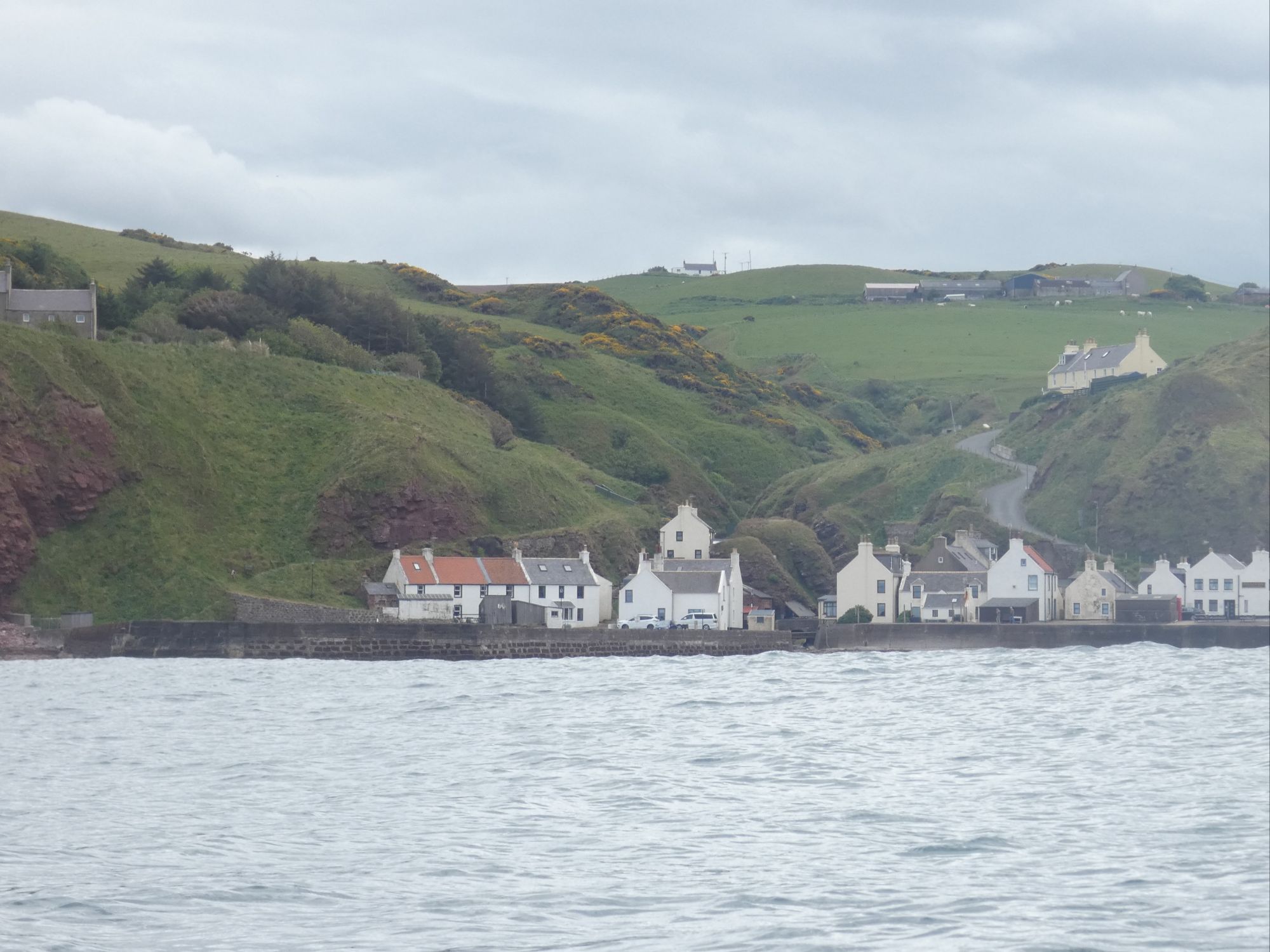
I ate my lunch here, sitting on the sunny harbour wall chatting to Greg and Lindsay, who were over for the day from Elgin with their kids. They were mastering their paddleboard (and swimming) skills in the calm harbour waters.

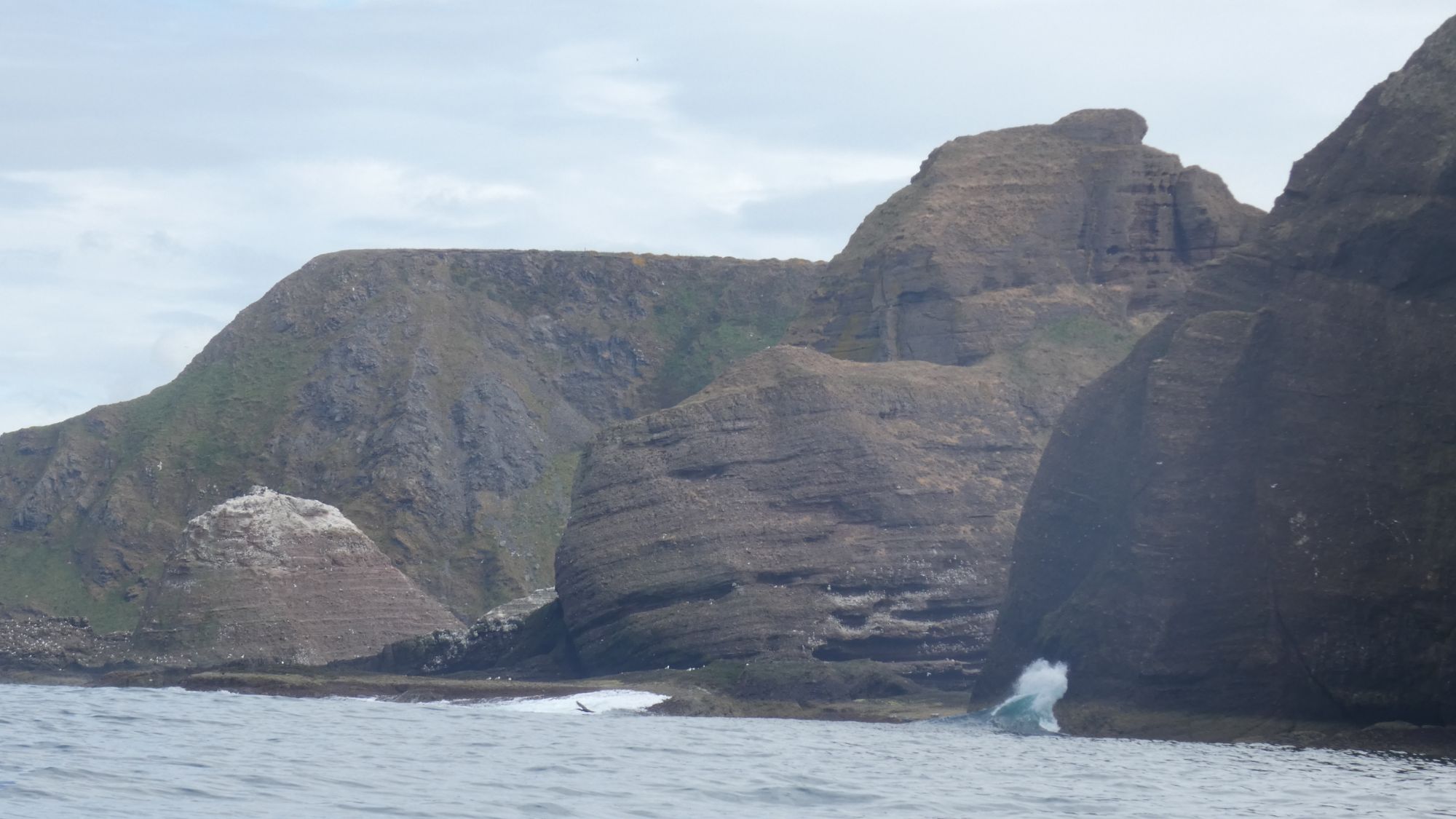
There is a dramatic change to the rock that makes up the cliffs to the east of Pennan – a deep red old sandstone – and some of the formations are other worldly. I may have got too engrossed in the Expanse sci-fi book series, but I’m sure some of them were about to hum into life with alien technology.
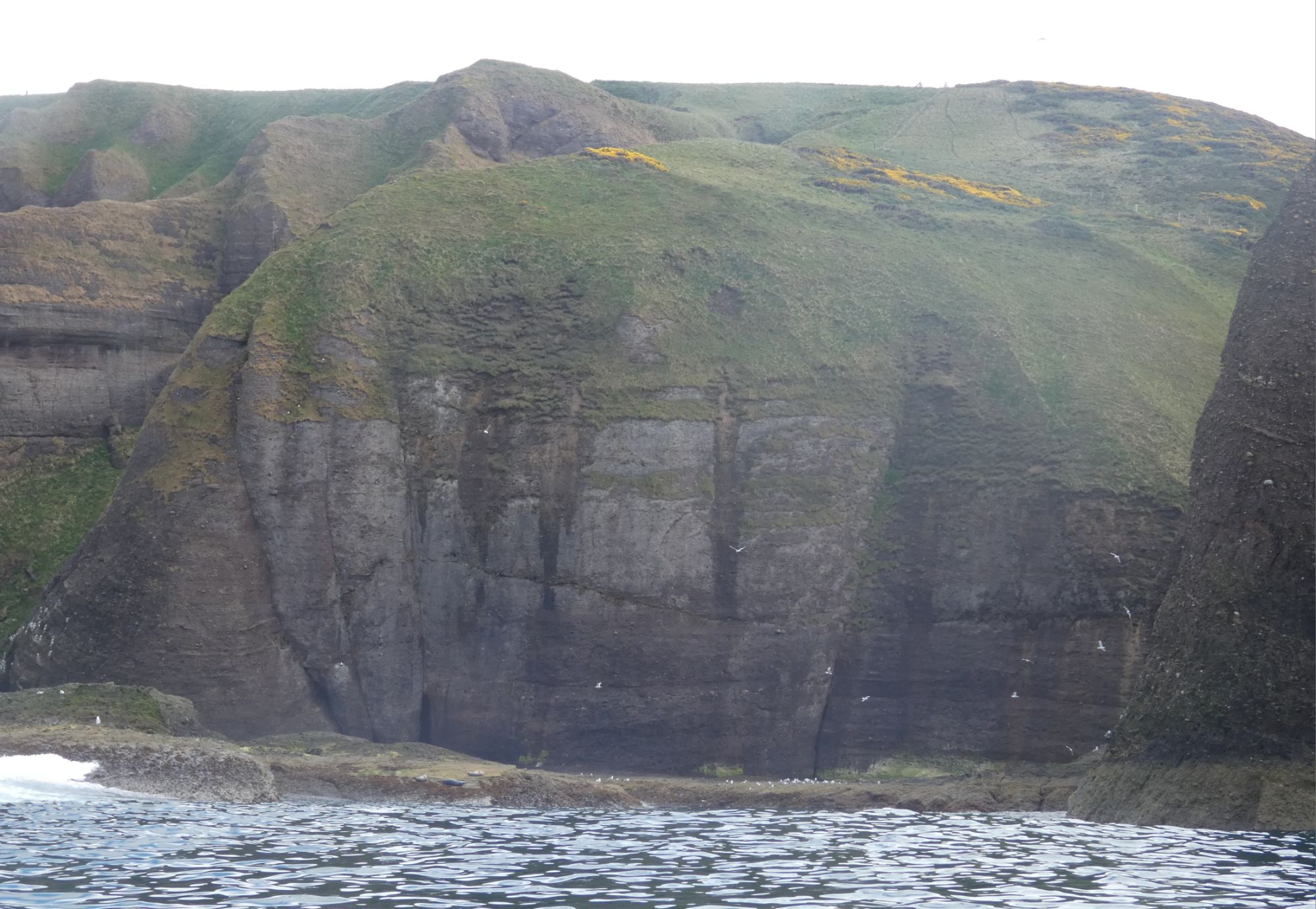
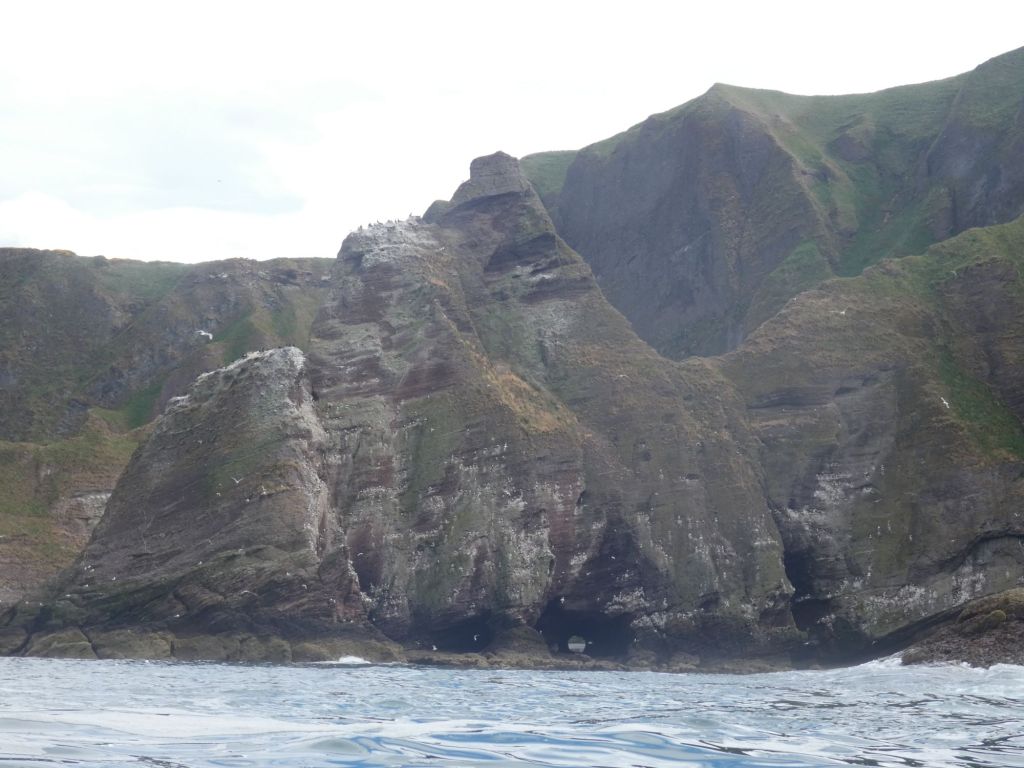
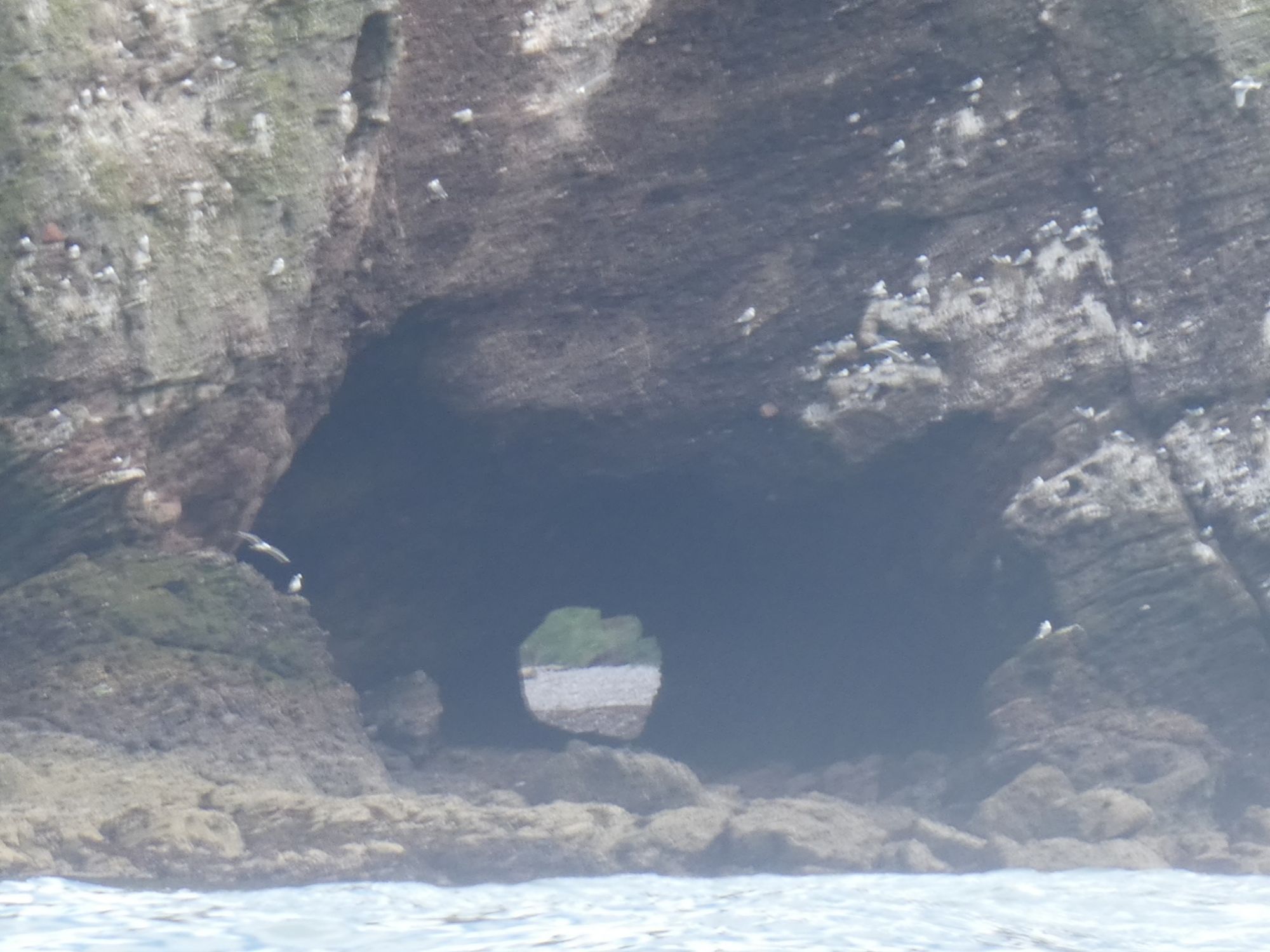
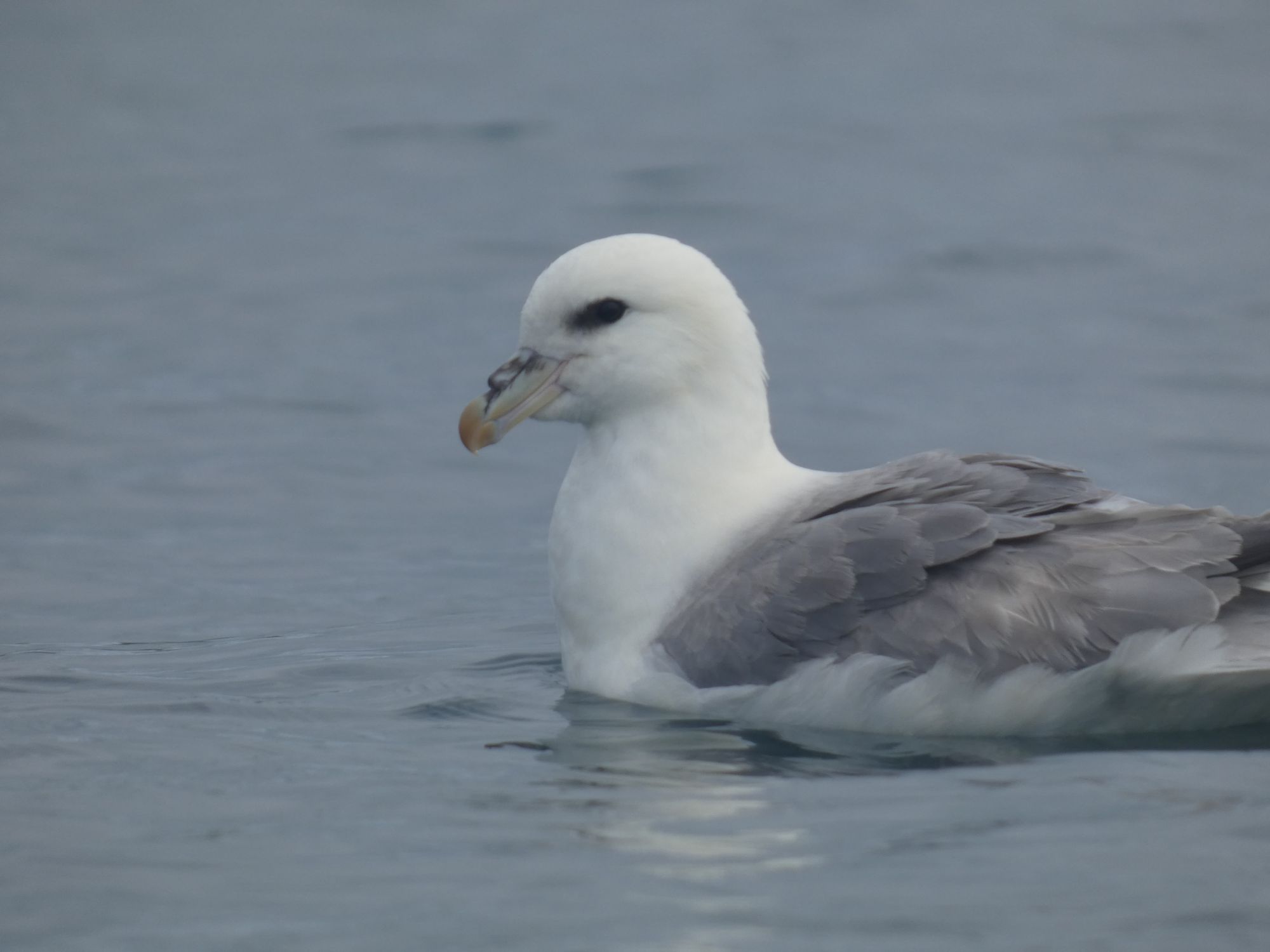
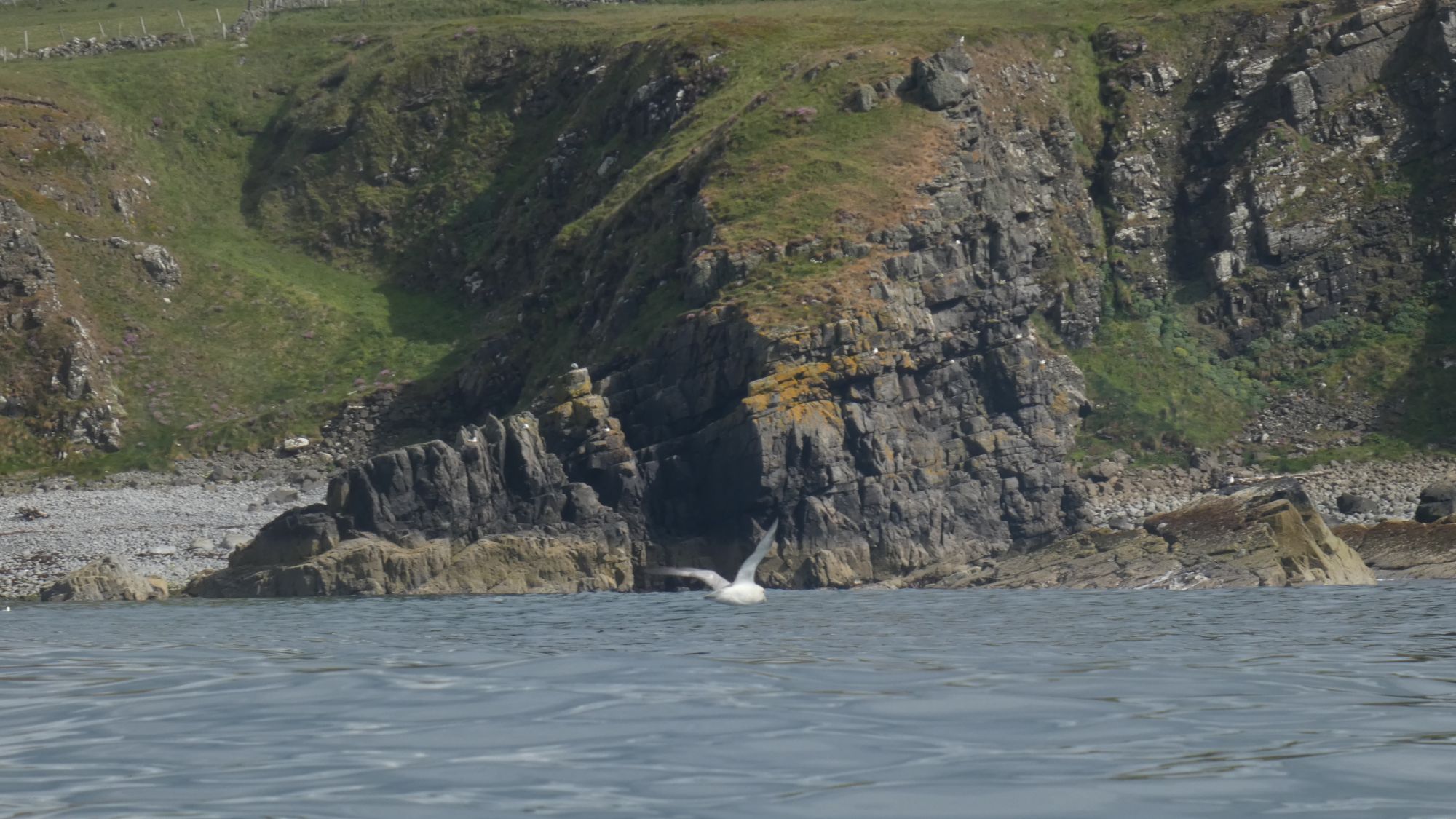
It was after this section of coastline that young fulmars became more numerous. They are often quite curious and will fly straight at the kayak only a foot or so above the surface, veering elegantly at the last minute to seek out more interesting morsels.
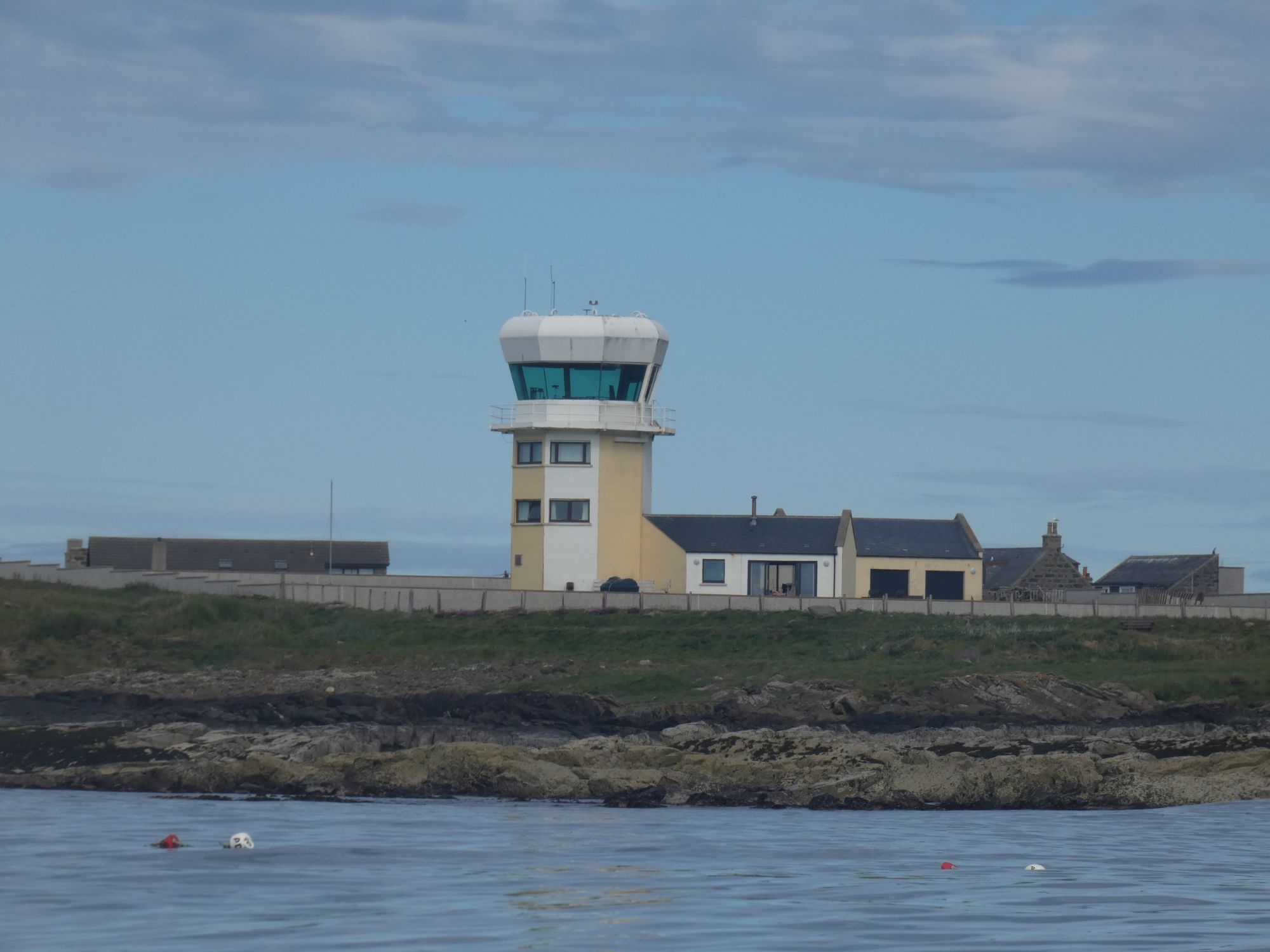
I have two nights at a hotel booked in Rosehearty, so there is plenty of time to investigate the history of this peculiar building.


 One Man And His Boat
Leave a reply to Ian Diaper Cancel reply