- Inverness to Nairn
- 34 kms
Yesterday was my last day on the canals and the approximate half way point of my journey. About as from Edinburgh as I was going to get, there was a pleasant symmetry to the fact that I started my journey by crossing Thomas Telford’s Dean Bridge and reached the half way point by traversing Thomas Telford’s Caledonian Canal. The canal was completed in 1822 and the Dean Bridge about 10 years after, a few years before he died at the age of 77.
The day started with blue skies and very little wind, however, the forecast was for the wind to increase, and again it would be from the north east.
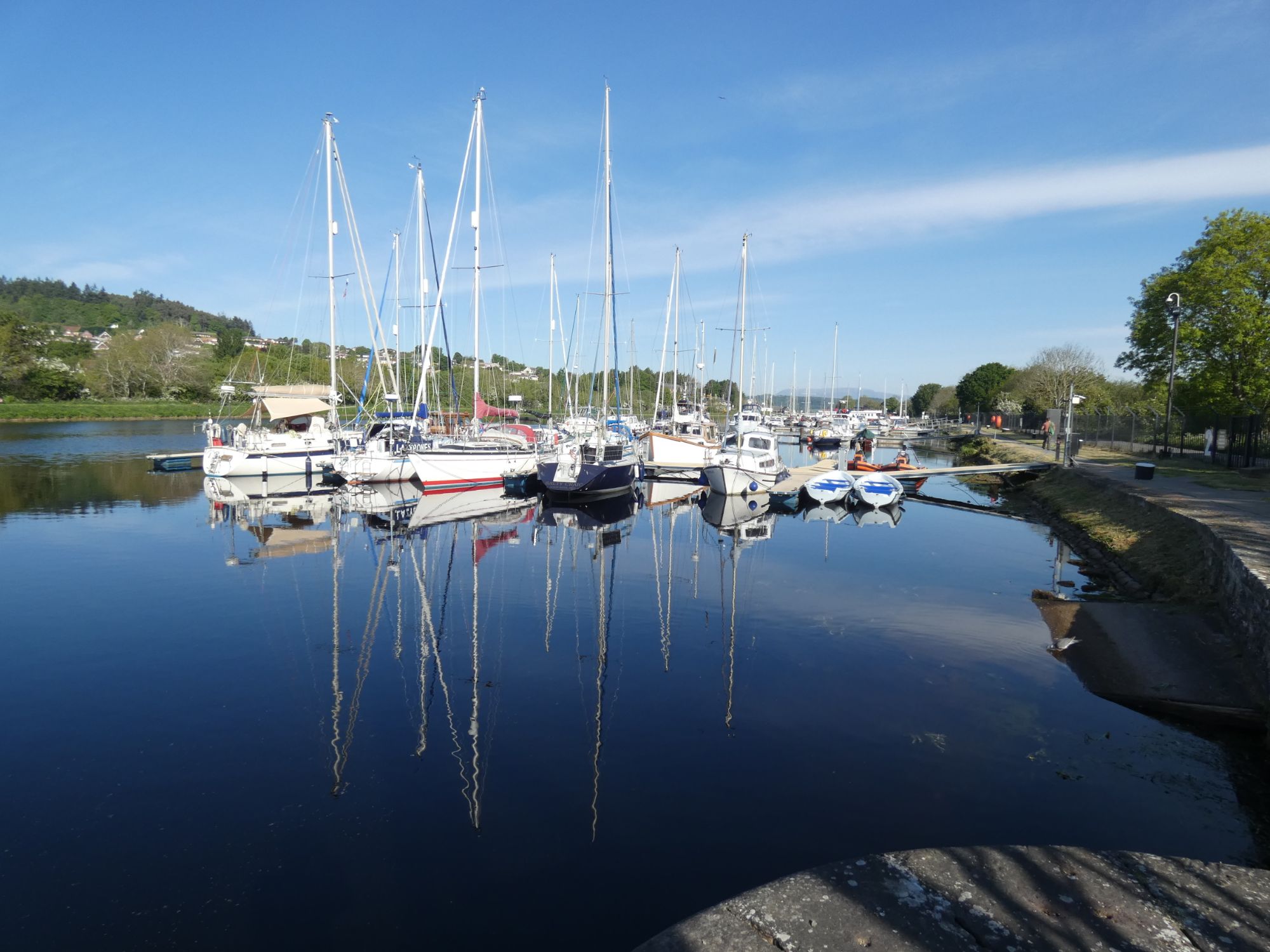
I considered the main challenges today as being the currents through the Kessock Bridge and through the narrows between Fort George and Chanonry Point. In an attempt to avoid a strong current against me it was best to get on the water early or wait another 6 hours and get tidal assistance. Waiting 6 hours wasn’t an option, as I had a 30+ kilometre paddle to do to reach Nairn.
I trolleyed the kayak down the east side of the canal and down to the Merkinch Nature Reserve. I then did a combination of sit-on-top paddling and wading in ankle deep water, dragging the boat behind, to get to the edge of the Beauly Firth where the day’s paddling could start in earnest.
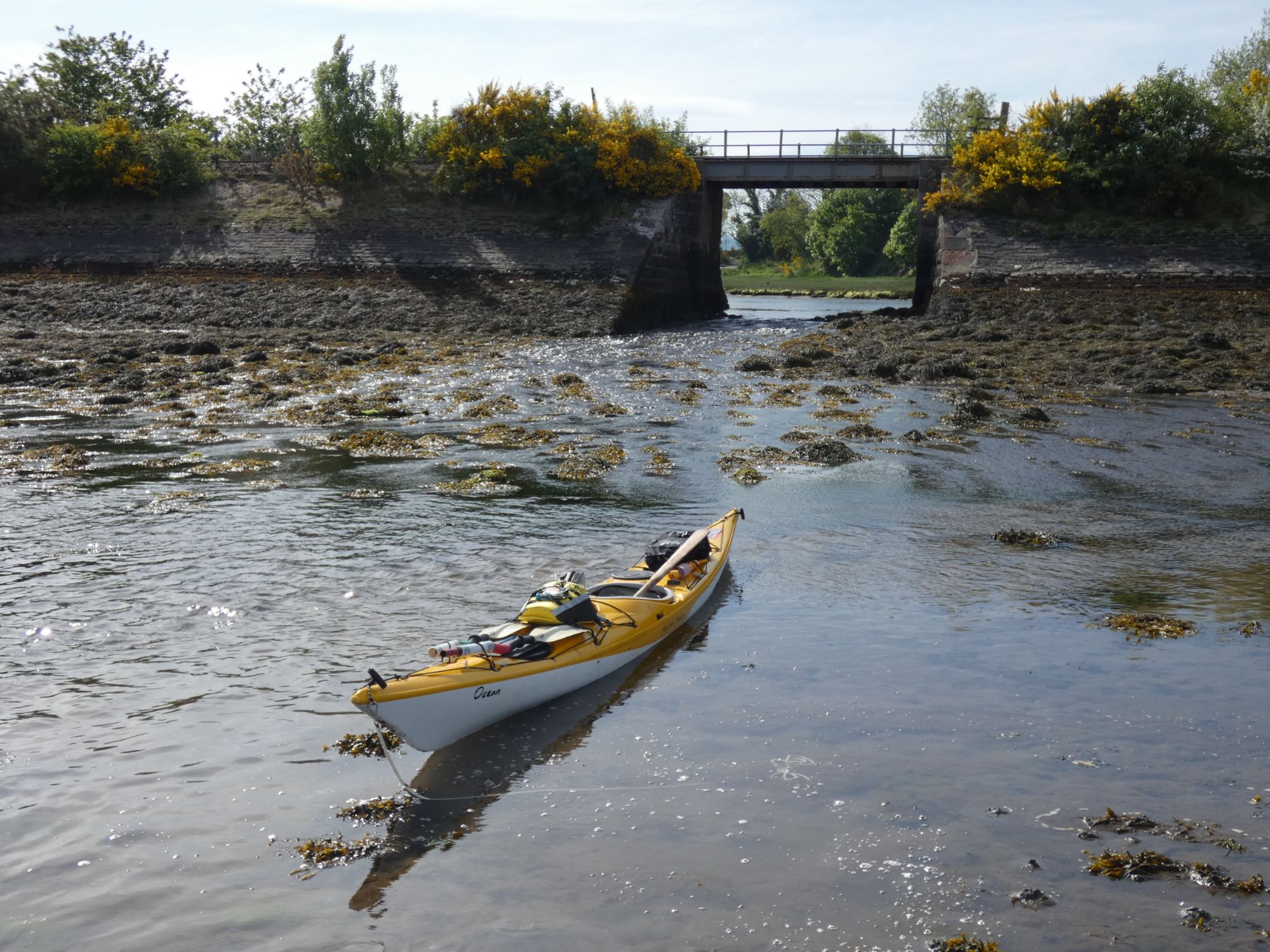
It was then due east out of the Beauly Firth into the Inner Moray Firth, under the Kessock Bridge (road bridge for the A9), and past the Caledonian Stadium (home to Inverness Caledonian Thistle FC).
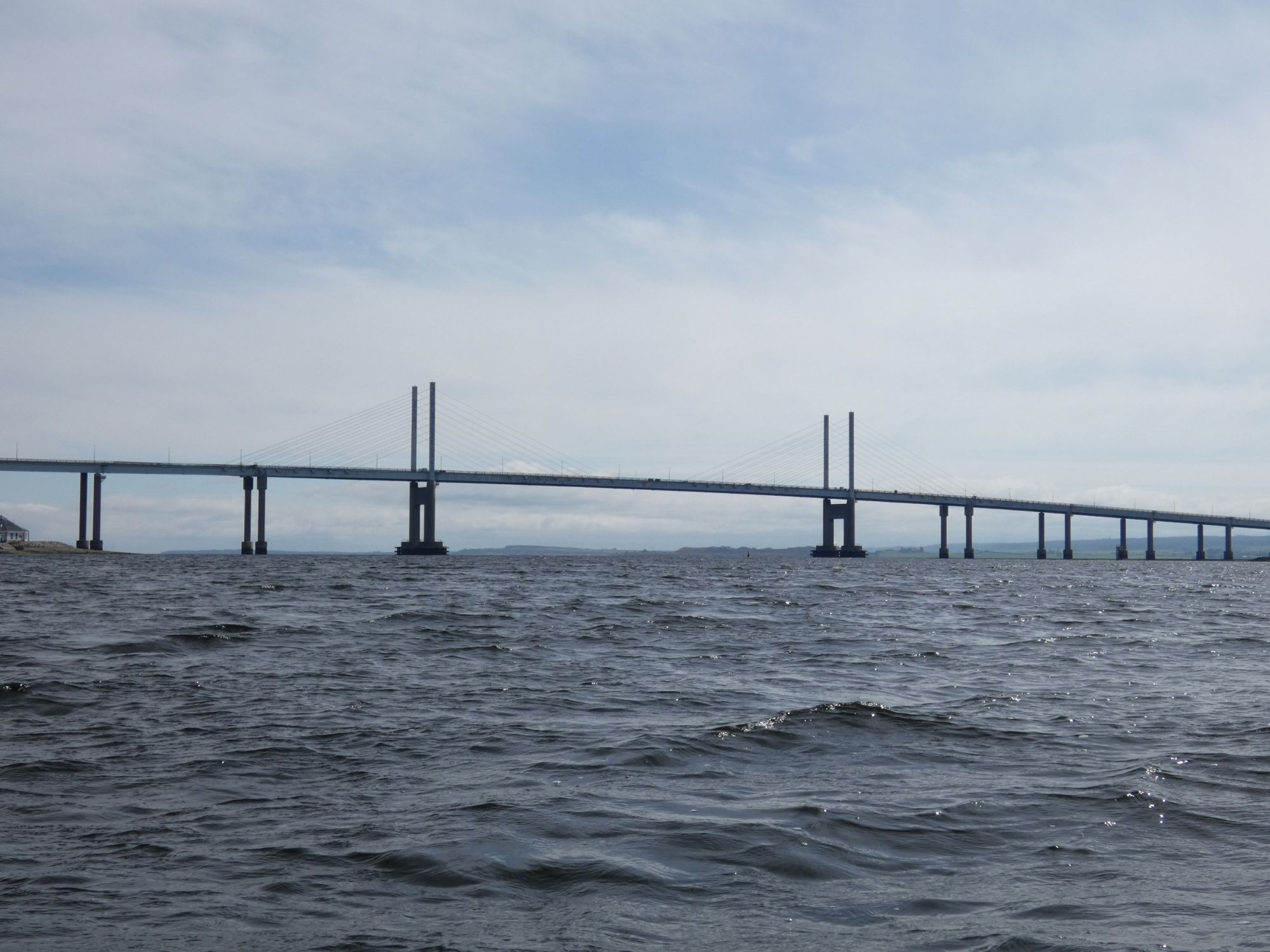
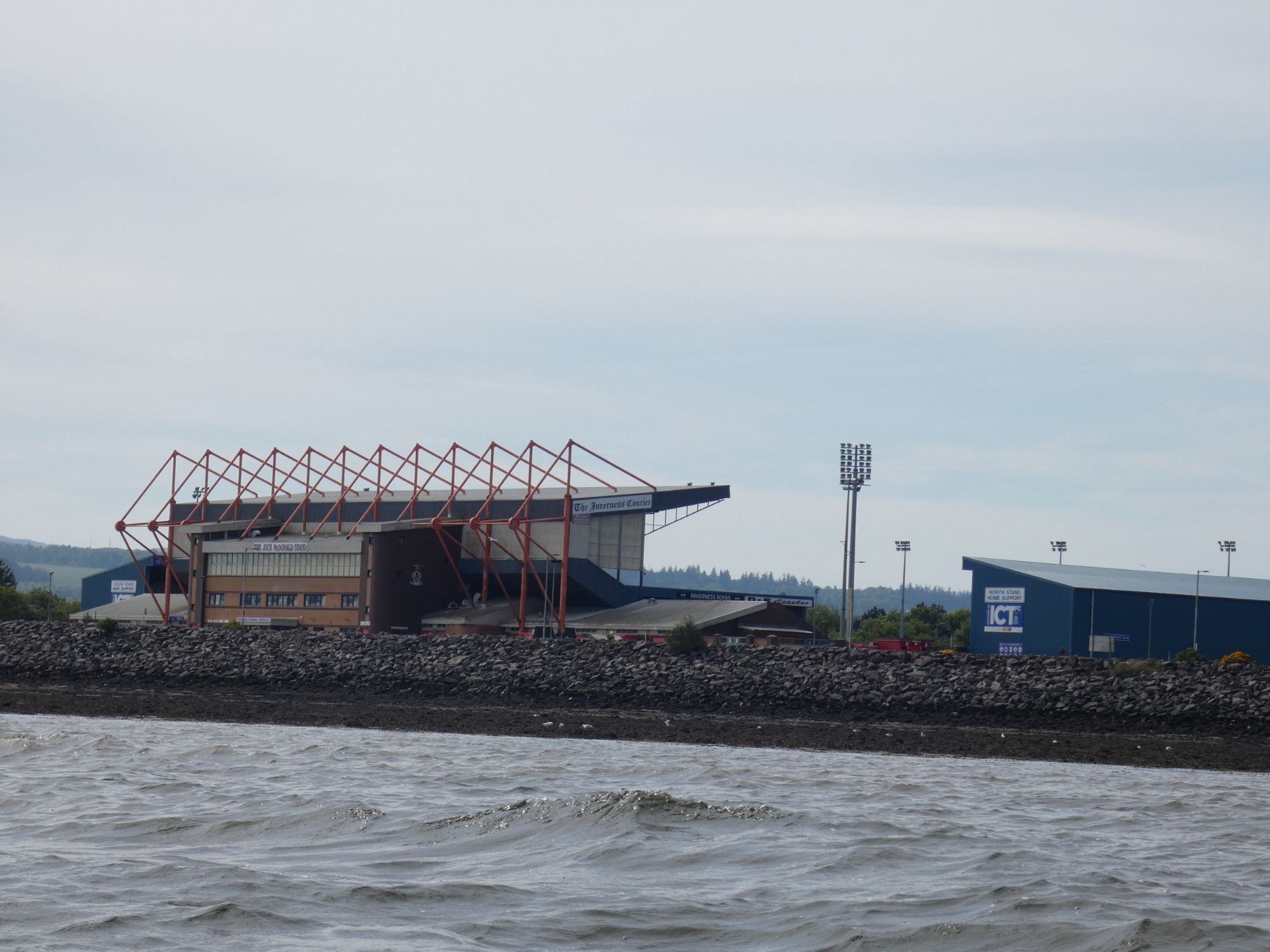
The wind was picking up by this time so it made sense to hug the shoreline as much as possible to seek a little shelter. It’s also more interesting to be looking at the shore than straight out to sea all day.
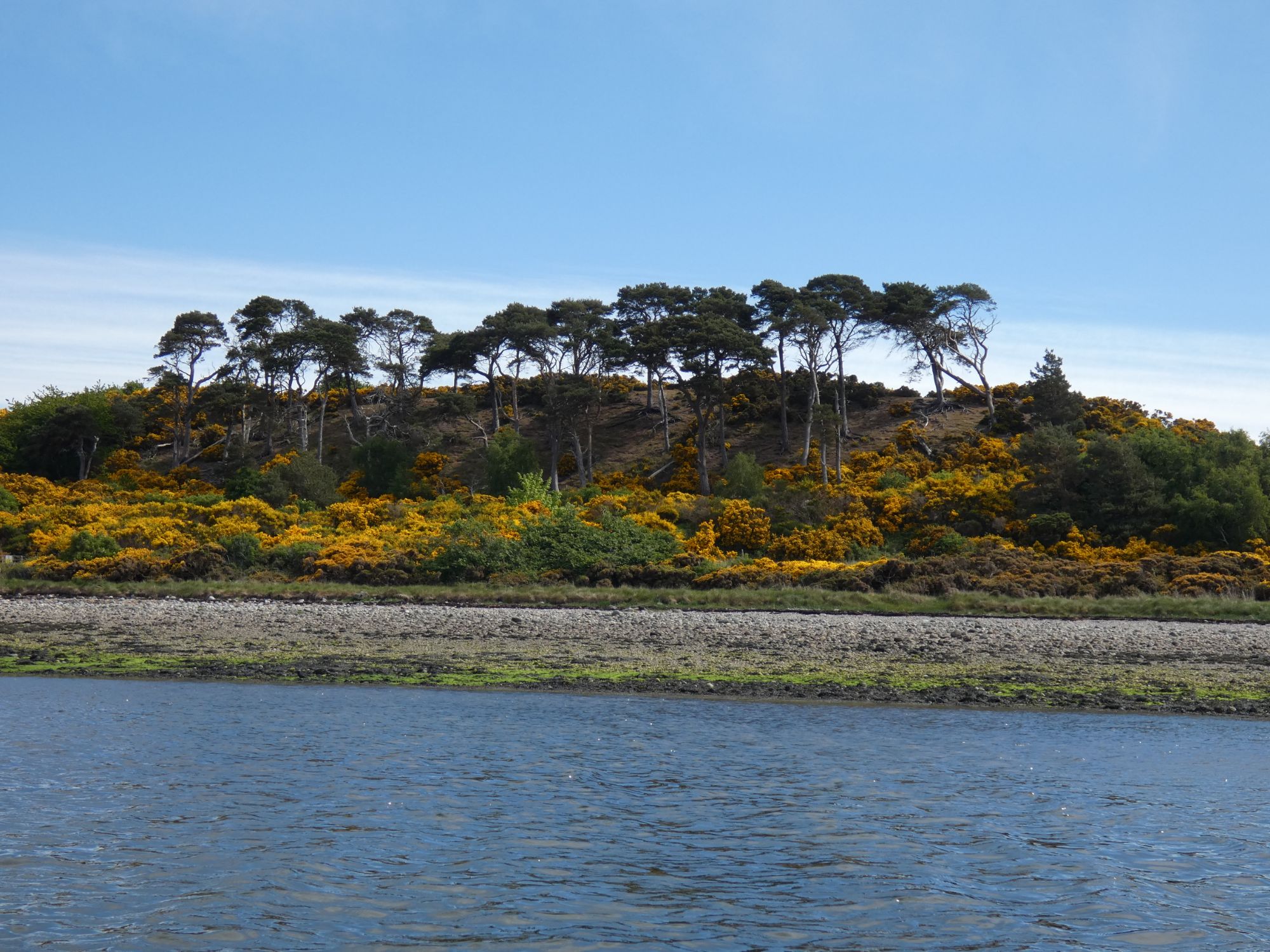
Once round Arturlie Point, I thought it best to hug the coastline until I was due south of Fort George. This seemed the best compromise between shortest distance route and the shortest amount of time spent in the wind blown chop coming across the bay.
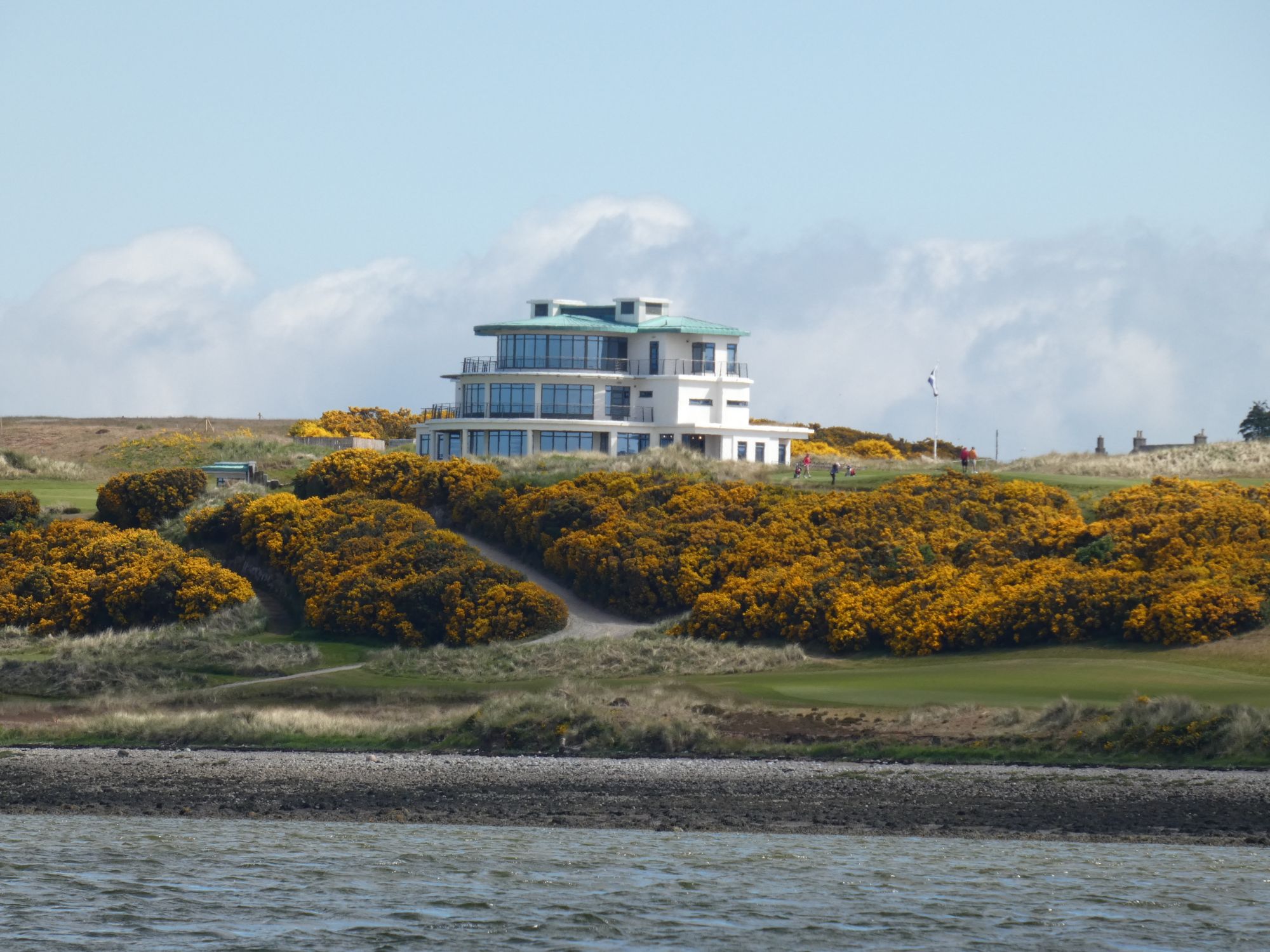
Just before I got to the point I was going to turn north, I spotted a group of paddle boards pulled up on the shore. This seemed like as good a time and place as any to have lunch, so I decided to stop for a chat. They were a group of eight from the Moray SUP Club out on a coaching qualification training day. It’s great to see that paddle boarding has now been taken into the fold of other paddling sports where competency and training are considered important.
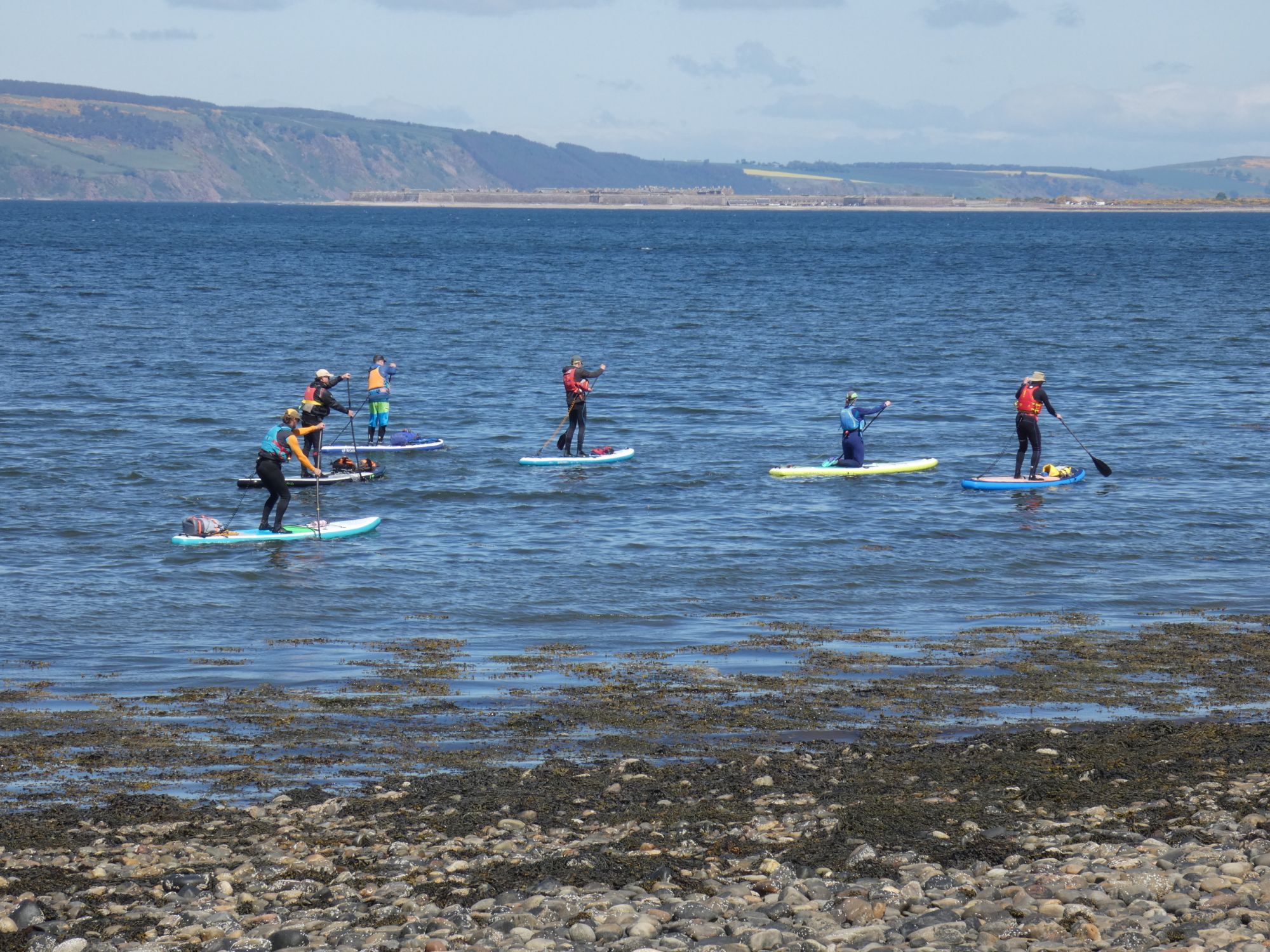
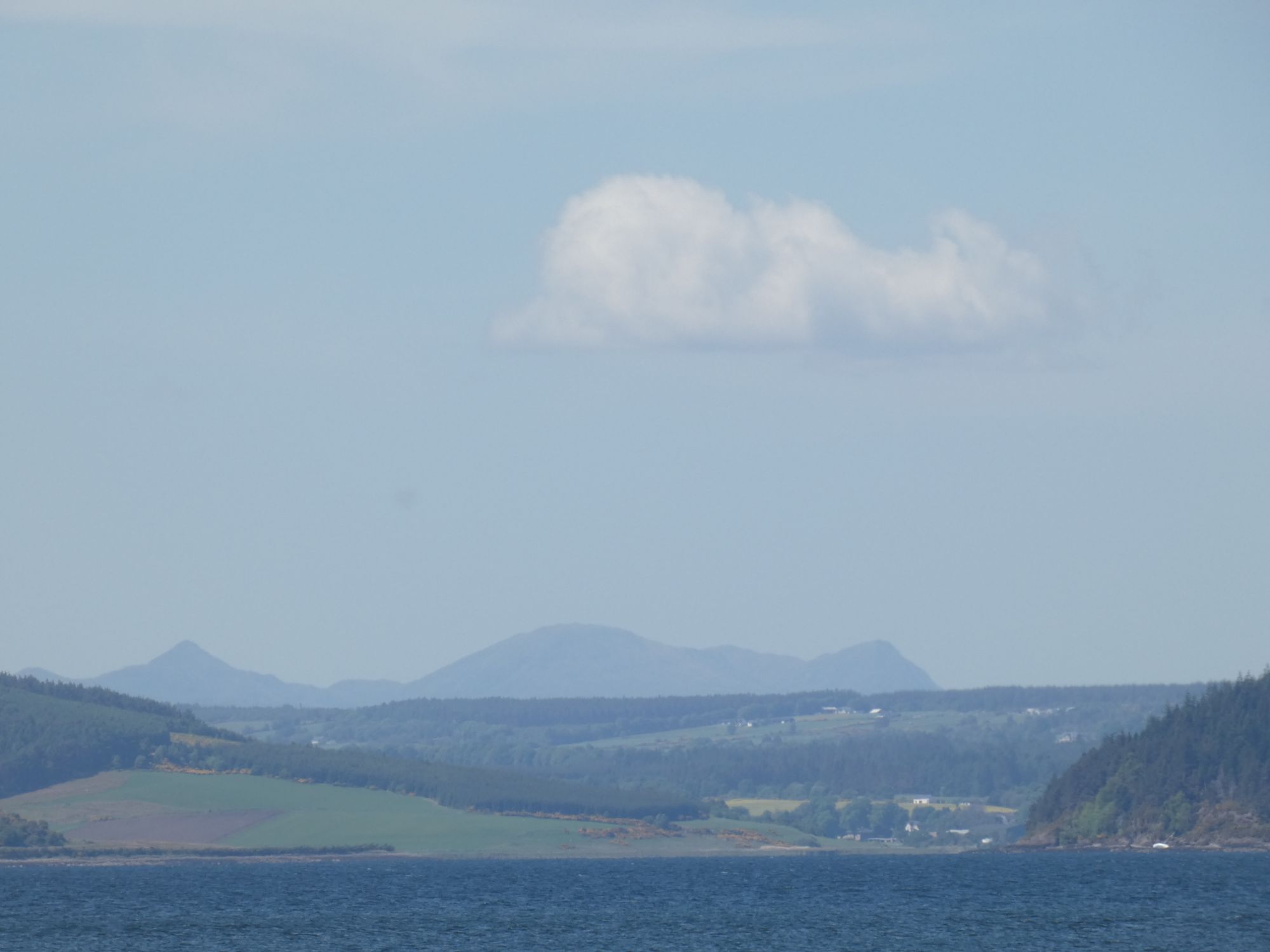
After the paddle boarders departed, I finished my lunch and headed north across to Fort George. I had an F4 cross wind and a one foot high, short period wind blown chop on my right side, however, with the new low profile trolley bag arrangement on my back deck the kayak responded well to the skeg control. I had no problem maintaining direction and got into quite a nice rhythm – left blade on the crest and then right blade into the face of the next wave as the kayak rolled down the previous one.
There was shelter next to the shore at Fort George and an eddy current moved we swiftly north west towards the narrows. I could see a few people over on Chanonry Point and a RIB in the middle of the channel, but there was no sign of the dolphins that often fish and play here.
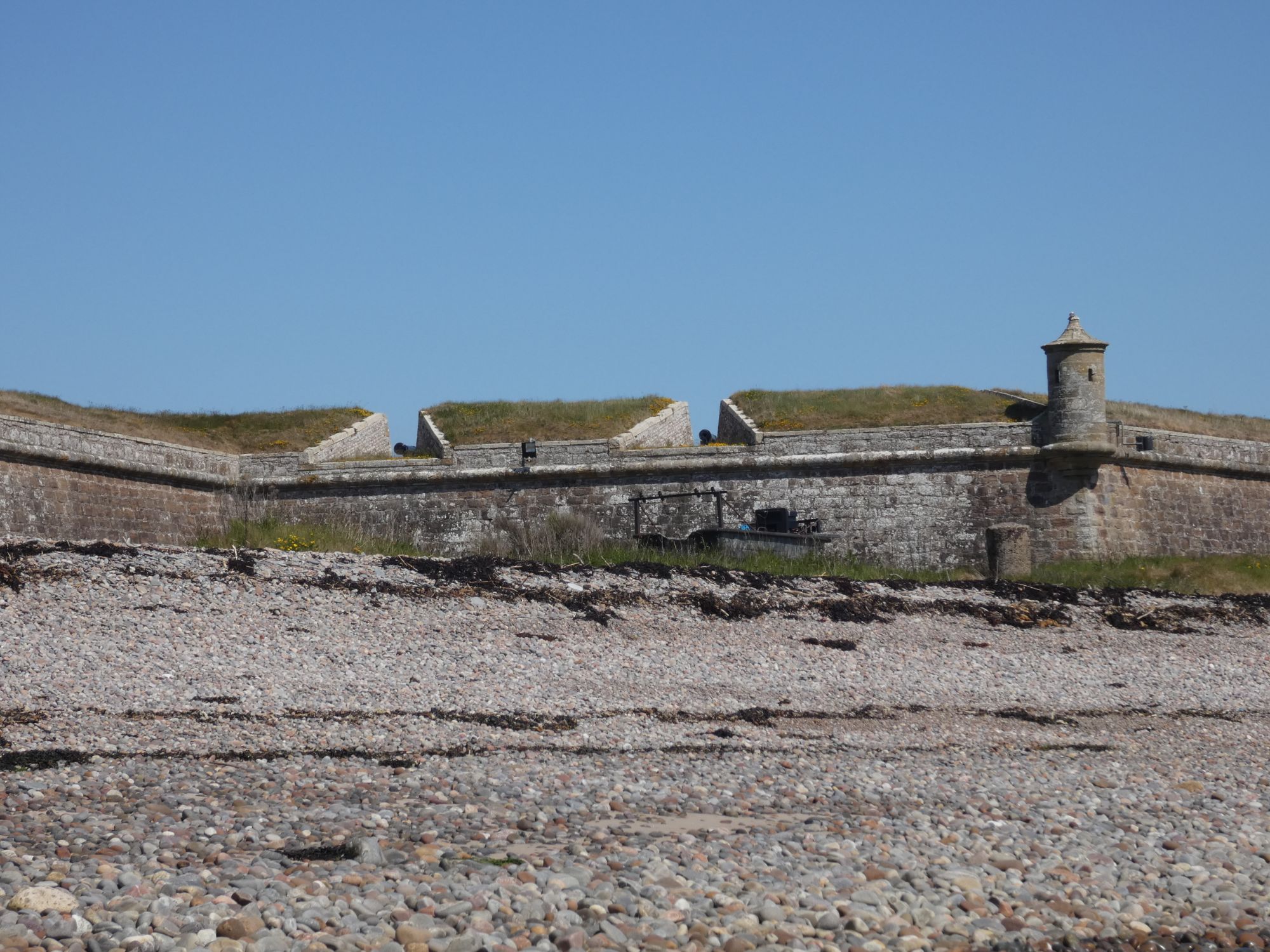
The photo I took at Fort George was my last of the day. The conditions from here to Nairn were not conducive to removing the camera from it’s protective waterproof bag. The wind and current were not in my favour and it was a hard slog along the coast up to Whiteness Head and I could see a lot of breaking water quite far out from the shore – shallow sandbars
Approaching Whiteness Head, I could see quite a few large and medium sized vessels busy doing… what? I wasn’t quite sure. The largest vessel (which turned out to be the D’Artagnan) looked like a dredger and was operating very close to the shoreline next to a high sand hill. I stopped on a sandbar just to the west of where they were operating to see if I could work out my best route past them. Unfortunately, they had large floating booms going from the shore to several hundred meters out. Two, or possibly three, vessels would take it in turn to hook up to the floating boom, which I assume is a pipe which sand can flow through, load up and then depart eastwards for an unknown destination. I would have to go further out to sea to avoid the booms, and time my departure so that I didn’t get in the way of any vessels.
I thought I had managed this quite well, but as I got beyond the end of the booms, I saw a RIB approaching me from my right. I must be in trouble! There were three men aboard, and one of them shouted across to enquire if I required any help. I realised then that they were concerned for my safety being out in these turbulent sea conditions. They looked at me with bemused concern when I said I was fine and heading east to Nairn.
It took me a long 2 hours to complete the remaining 8 kilometres. All that time I was judging the state of the waves coming in, staying away from the breaking zone, and wondering what sort of landing I was in for when I reached Nairn. At Nairn, the harbour is reached via the mouth of the river Nairn. Two sea walls extend out beyond the beaches either side of the river. Making for the harbour seemed preferable to a beach landing. It still had to be taken quite gingerly, as the waves would often break before they reached the end of the sea walls. I pretty much kept my bow facing out to sea and reversed between the sea walls and onto the river.
Once on the river, there was a lot of relief and just a short paddle to the slip in the harbour. There, Mike, a Nairn resident and good friend of my brother-in-law, greeted me and helped me unload the boat and get it up the slip. Most welcome assistance after a taxing day at the end of 14 consecutive days of paddling. I needed a break! Thankfully, Wendy was also there to whisk me away to the paradise of a warm self-catering bungalow in the nearby countryside.

 One Man And His Boat
Leave a reply to Ian Diaper Cancel reply